


In recent years, the wearable device market has witnessed explosive growth, with applications spanning from fitness tracking to healthcare monitoring and beyond. As a tilt switch angle sensor supplier, I've been closely observing the potential of integrating our products into wearable devices. This blog post delves into the feasibility, advantages, challenges, and real - world applications of using tilt switch angle sensors in wearable devices.
Feasibility of Using Tilt Switch Angle Sensors in Wearable Devices
Tilt switch angle sensors are designed to detect changes in orientation or inclination. They operate based on various principles, such as the movement of a conductive ball in a chamber or the change in capacitance due to tilting. These sensors are relatively simple in design, compact in size, and consume low power, which are crucial factors for wearable devices.
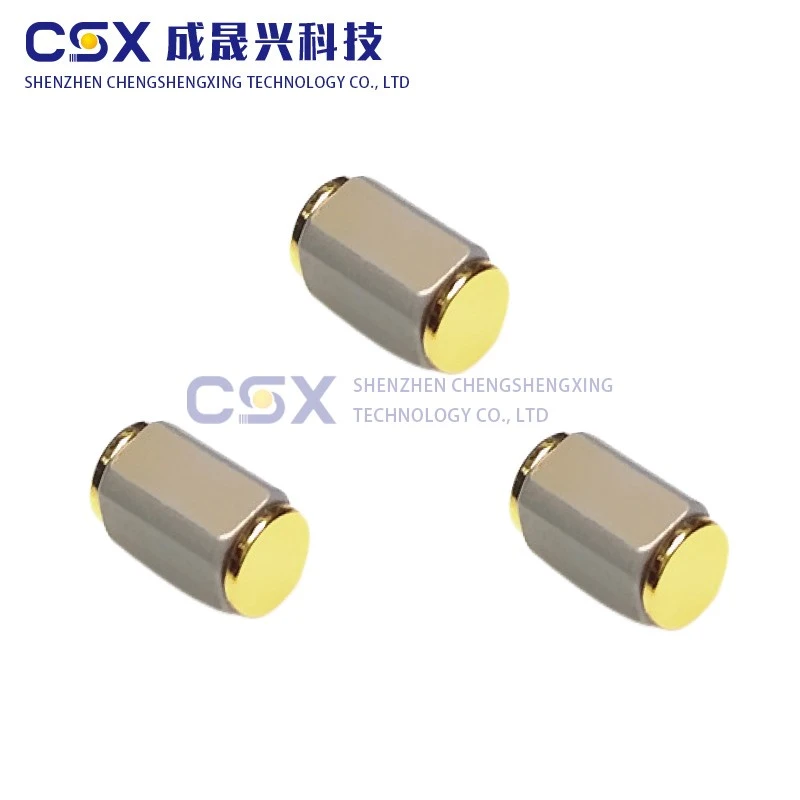
Wearable devices require components that are lightweight and small to ensure comfort for the user. Our tilt switch angle sensors, such as the Roll Ball Sensor Switch BTS45, are precisely engineered to meet these requirements. With a small form - factor, it can be easily embedded into the structure of a wearable device without adding significant bulk.
Moreover, the low power consumption of tilt switch angle sensors is a major advantage. Wearable devices often rely on limited battery capacity. By using sensors that draw minimal power, the battery life of the wearable can be extended. This is especially important for long - term monitoring applications, where continuous operation is necessary.
Advantages of Tilt Switch Angle Sensors in Wearable Devices
1. Activity Monitoring
One of the primary applications of tilt switch angle sensors in wearable devices is activity monitoring. By detecting changes in the orientation of the body, these sensors can accurately track the user's movements, such as walking, running, sitting, and lying down. For example, when a user is walking, the sensor can detect the regular up - and - down movement of the legs. This data can be used to calculate steps, distance traveled, and even estimate calorie burn.
2. Posture Detection
Maintaining good posture is essential for overall health. Tilt switch angle sensors can be used in wearable devices to monitor the user's posture in real - time. The Inclination Switch CSX - SEN - 665B can detect if the user is slouching or sitting in an improper position. Once an incorrect posture is detected, the wearable device can send an alert to the user, reminding them to correct their posture. This can help prevent back pain and other musculoskeletal problems in the long run.
3. Fall Detection
Fall detection is a critical feature in wearable devices, especially for the elderly or people with medical conditions. Tilt switch angle sensors can detect sudden changes in orientation that are characteristic of a fall. When a fall is detected, the wearable device can automatically send an alert to a caregiver or emergency services. This can significantly improve the response time in case of an emergency and potentially save lives.
Challenges in Using Tilt Switch Angle Sensors in Wearable Devices
1. Accuracy and Sensitivity
Ensuring high accuracy and sensitivity is a challenge when using tilt switch angle sensors in wearable devices. The sensors need to be able to detect even the slightest changes in orientation, while also being robust enough to ignore minor vibrations or movements that are not relevant. Calibration is often required to achieve the desired level of accuracy. Our Rotation Sensor Switch CSX - SEN - 360A - 30U is designed with advanced calibration algorithms to improve accuracy, but continuous refinement is still needed to meet the strict requirements of wearable applications.
2. Environmental Interference
Wearable devices are exposed to a variety of environmental conditions, such as temperature, humidity, and electromagnetic interference. These factors can affect the performance of tilt switch angle sensors. For example, extreme temperatures can cause the components of the sensor to expand or contract, leading to inaccurate readings. Shielding and temperature compensation techniques need to be employed to minimize the impact of environmental interference.
3. Integration with Other Components
Wearable devices typically consist of multiple components, such as processors, displays, and communication modules. Integrating tilt switch angle sensors with these components can be complex. The sensor needs to be able to communicate effectively with the other parts of the device to ensure seamless operation. Compatibility issues may arise, and proper interface design is crucial to overcome these challenges.
Real - World Applications of Tilt Switch Angle Sensors in Wearable Devices
1. Fitness Trackers
Fitness trackers are one of the most popular types of wearable devices. Tilt switch angle sensors play a vital role in these devices by providing accurate activity tracking data. They can help users set goals, monitor their progress, and make informed decisions about their fitness routines.
2. Smartwatches
Smartwatches are becoming increasingly sophisticated, with features such as health monitoring and activity tracking. Tilt switch angle sensors can enhance these features by providing additional data on the user's orientation and movement. For example, a smartwatch with a tilt switch angle sensor can detect when the user is raising their wrist to look at the time, and automatically turn on the display.

3. Medical Wearables
In the medical field, wearable devices are used for a variety of applications, such as remote patient monitoring. Tilt switch angle sensors can be used to monitor the movement and posture of patients, which can provide valuable information about their recovery progress. For example, in patients recovering from a stroke, monitoring their movement can help doctors assess their motor function.
Conclusion
In conclusion, tilt switch angle sensors have great potential for use in wearable devices. Their compact size, low power consumption, and ability to detect orientation changes make them suitable for a wide range of applications, from activity monitoring to fall detection. However, there are still challenges that need to be addressed, such as accuracy, environmental interference, and integration with other components.
As a tilt switch angle sensor supplier, we are committed to continuously improving our products to meet the evolving needs of the wearable device market. We believe that by working closely with wearable device manufacturers, we can overcome the challenges and unlock the full potential of tilt switch angle sensors in this exciting field.
If you are interested in exploring the use of tilt switch angle sensors in your wearable device projects, we invite you to contact us for a detailed discussion and to initiate a procurement negotiation. We look forward to collaborating with you to bring innovative and high - performance wearable devices to the market.
References
- Smith, J. (2018). Wearable Technology: Trends and Applications. Journal of Consumer Electronics, 25(3), 123 - 135.
- Johnson, A. (2019). Sensor Technologies for Wearable Devices. Sensors and Actuators, 32(2), 45 - 56.
- Brown, C. (2020). Advancements in Tilt Switch Angle Sensor Technology. Journal of Instrumentation and Measurement, 40(4), 78 - 89.


