


Hey there! As a supplier of unidirectional tilt switches, I'm super stoked to share with you all about the self - test functions of these nifty devices.
First off, let's understand what a unidirectional tilt switch is. It's a device that can detect the tilt or inclination in a single direction. These switches are used in a wide range of applications, from industrial machinery to consumer electronics.
One of the key self - test functions of a unidirectional tilt switch is the power - on self - test. When the switch is powered up, it goes through a quick check to make sure all its internal components are working properly. This is like when you start your car, and all the dashboard lights come on briefly to check if everything is okay. For our Unidirectional Tilt Switch S07, this power - on self - test is crucial. It checks the integrity of the sensing elements and the electrical connections. If there's an issue, the switch can send an error signal, which is really handy for maintenance and troubleshooting.
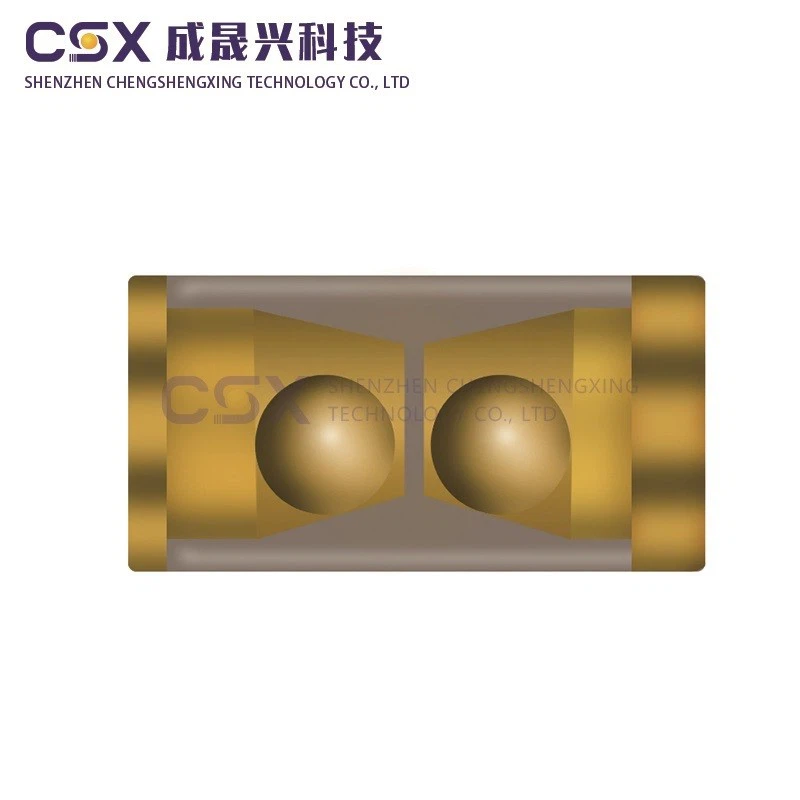

Another important self - test function is the periodic self - test. This happens at regular intervals while the switch is in operation. The switch will check its own sensitivity and accuracy. For example, it will make sure that it can detect the correct tilt angle. In the case of the Tilt Roll Ball Switch CSX - SEN - 645A - D, it uses a ball mechanism to detect tilt. During the periodic self - test, it checks if the ball moves freely and can trigger the switch at the right angles. If the sensitivity has changed due to factors like wear and tear or environmental conditions, the switch can adjust itself or send an alert.
The self - test for the output signal is also a big deal. A unidirectional tilt switch needs to send accurate signals to the connected system. The switch will test if the output signal is within the expected range. For instance, if it's supposed to send a digital signal of 0 or 1 depending on the tilt state, it will verify that the signal is correct. This is especially important in safety - critical applications. The Angle Transmitter X65 is designed to transmit angle information accurately. Its self - test function ensures that the transmitted angle data is reliable.
Temperature self - test is another aspect. Temperature can affect the performance of a tilt switch. The switch will monitor its own temperature and check if it's within the operating range. If the temperature gets too high or too low, it can impact the accuracy of the tilt detection. For example, in a high - temperature environment, the internal components might expand, which could change the switch's sensitivity. The self - test can detect these temperature - related issues and take appropriate actions, like adjusting the calibration or sending a warning.
Vibration self - test is also significant. In many industrial settings, there's a lot of vibration. A unidirectional tilt switch needs to be able to distinguish between real tilt and vibration - induced false signals. The switch will test its ability to filter out vibration and only respond to actual tilt. This helps in reducing false alarms and ensuring the reliability of the switch.
Now, you might be wondering why these self - test functions are so important. Well, they offer several benefits. Firstly, they increase the reliability of the switch. By constantly checking its own performance, the switch can catch potential problems early on, which reduces the risk of system failures. Secondly, they make maintenance easier. Instead of having to manually test the switch regularly, the self - test functions do it automatically. This saves time and effort for the users. Thirdly, in safety - critical applications, these self - test functions can prevent accidents. For example, in a construction machine, if the tilt switch fails to detect the correct tilt angle, it could lead to a dangerous situation. The self - test functions help in ensuring that the switch is always working correctly.
If you're in the market for a high - quality unidirectional tilt switch, we've got you covered. Our range of switches, including the Unidirectional Tilt Switch S07, Tilt Roll Ball Switch CSX - SEN - 645A - D, and Angle Transmitter X65, are designed with these advanced self - test functions. They offer great performance and reliability.
If you're interested in learning more or making a purchase, don't hesitate to reach out. We're here to answer all your questions and help you find the right tilt switch for your needs. Whether you're working on a small DIY project or a large - scale industrial application, our switches can be a great fit.
References
- Industry standards and best practices for tilt switch design and testing.
- Technical documentation of our unidirectional tilt switches.


