


Hey there! As a supplier of tilt Roll Ball switches, I often get asked about the speed of response to a sudden tilt change of these nifty little devices. So, I thought I'd sit down and write a blog post to share what I know.
Let's start with the basics. A tilt Roll Ball switch is a simple yet effective device that uses a rolling ball inside a housing to detect changes in tilt or inclination. When the switch is tilted beyond a certain angle, the ball rolls and makes contact with electrical contacts, completing a circuit and triggering a signal. This makes them incredibly useful in a wide range of applications, from automotive and industrial to consumer electronics.
Now, when it comes to the speed of response to a sudden tilt change, there are a few factors at play. First off, the design of the switch itself can have a big impact. Some switches are designed to be more sensitive and respond quickly to even the slightest tilt, while others are more rugged and may take a bit longer to react.
The size and weight of the ball inside the switch also matter. A smaller, lighter ball will generally move more quickly in response to a tilt, resulting in a faster response time. On the other hand, a larger, heavier ball may be more stable but could take a fraction of a second longer to roll and make contact with the contacts.
Another important factor is the angle of tilt. The steeper the tilt, the faster the ball will roll, and the quicker the switch will respond. However, it's worth noting that most tilt Roll Ball switches have a specific range of angles within which they are designed to operate effectively. If the tilt is too extreme or too gentle, the switch may not respond as expected.
The environment in which the switch is used can also affect its response time. For example, if the switch is exposed to vibrations or shocks, these can cause the ball to move around and potentially trigger false signals. In some cases, this may require additional filtering or damping to ensure accurate and reliable operation.
Let's talk about some real - world applications and how the speed of response matters. In automotive safety systems, for example, tilt Roll Ball switches can be used to detect if a vehicle has rolled over. In this case, a fast response time is crucial as it can trigger safety features such as airbags or seatbelt pretensioners almost instantly.
In industrial machinery, tilt switches can be used to monitor the position of equipment. A quick response to a tilt change can help prevent damage to the machinery or ensure that it operates within safe limits.
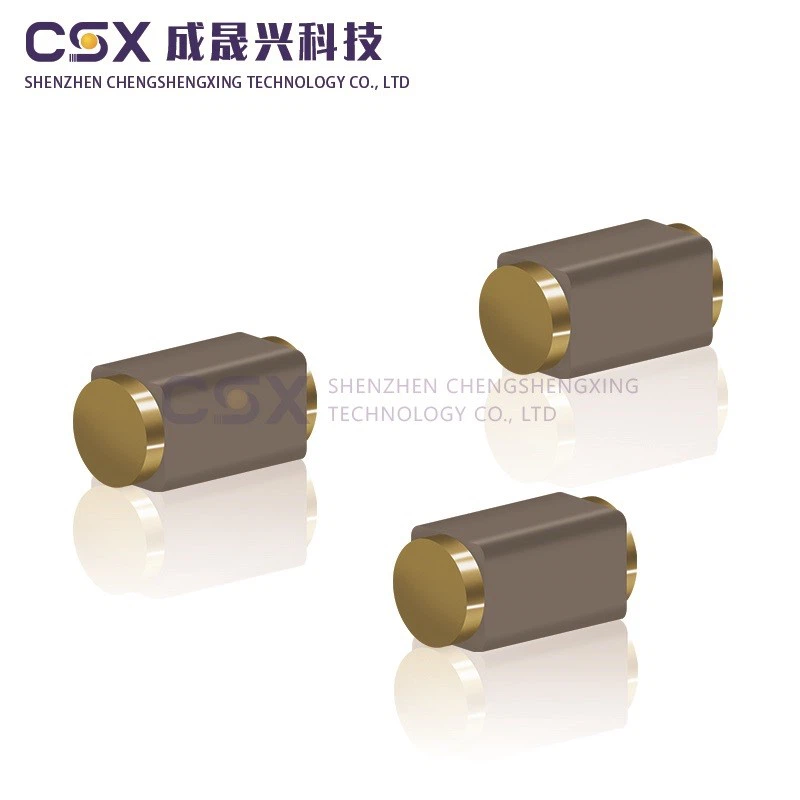
Now, I'd like to introduce some of our products. We offer the Tilt Roll Ball Switch CSX - SEN - 645A - D, which is designed for high - speed response and reliable performance. It's a popular choice for applications where quick detection of tilt changes is essential.
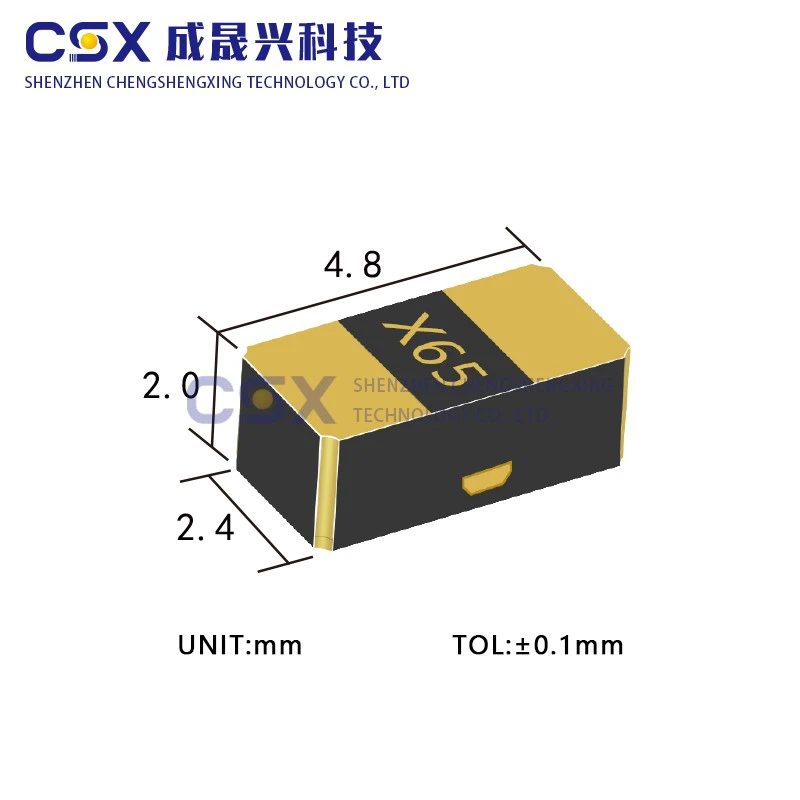
Another great product is the Angle Transmitter X65. This device not only detects tilt but also provides accurate angle measurements. It has a fast response time and can be used in a variety of precision applications.
And if you're looking for something for motion and shock detection, our Shock Sensor Motion Detection CSX - SEN - 350A is a great option. It combines tilt detection with shock sensing capabilities and has a rapid response to sudden changes in movement.
So, how can you measure the speed of response of a tilt Roll Ball switch? One common method is to use an oscilloscope. By connecting the switch to an oscilloscope and tilting it suddenly, you can observe the time it takes for the electrical signal to change. This gives you a direct measurement of the response time.
It's also important to note that the response time can vary slightly from one switch to another, even within the same batch. This is due to small manufacturing tolerances. However, as a supplier, we take great care to ensure that our switches meet strict quality control standards, so you can expect consistent performance.
If you're in the market for tilt Roll Ball switches or any of our other related products, we'd love to hear from you. Whether you're working on a new project or looking to replace existing components, our team of experts can help you find the right solution. We can provide samples for testing and offer technical support to ensure that you get the most out of our products.
Don't hesitate to reach out if you have any questions or need more information. We're here to help you make the best choice for your application.
In conclusion, the speed of response to a sudden tilt change of a tilt Roll Ball switch is influenced by several factors, including the switch design, ball size and weight, tilt angle, and the operating environment. By understanding these factors, you can choose the right switch for your specific needs. And if you're looking for high - quality tilt Roll Ball switches and related products, we're your go - to supplier.
References
- General knowledge of tilt switch technology and applications from industry experience.
- Technical specifications and research on our own tilt Roll Ball switch products.


