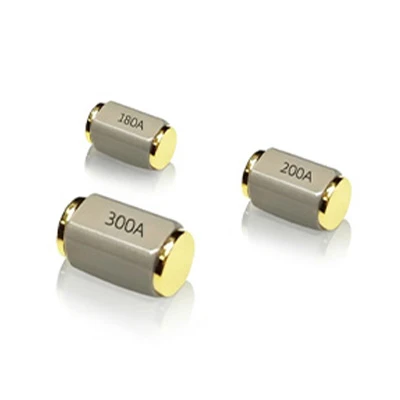
Hey there! As a supplier of plug - in sensor switches, I often get asked this question: "Can a plug - in sensor switch be used outdoors?" Well, let's dive right into it and find out the ins and outs of using these nifty devices outside.
Understanding Plug - in Sensor Switches
First things first, what exactly are plug - in sensor switches? These are devices that can detect changes in their environment, like motion, light, or temperature, and then switch an electrical circuit on or off accordingly. They're super convenient because you can just plug them into an outlet and start using them right away.
We offer a range of plug - in sensor switches, such as the Tilt Protection Switch CSX - SEN - 645B, the High Sensitivity Collision Sensor CSX45U, and the Angle Switch Sensors CSX45. Each of these has its unique features and applications, but the question remains: are they suitable for outdoor use?
Factors to Consider for Outdoor Use
Weather Conditions
One of the biggest challenges when using any device outdoors is dealing with the weather. Rain, snow, extreme heat, and cold can all take a toll on electronic devices. Plug - in sensor switches are no exception.
For example, if it rains a lot in your area, the switch needs to be water - resistant. Water can cause short - circuits and damage the internal components of the switch. Our switches are designed with some level of protection, but it's important to make sure you choose the right one for your specific outdoor environment.
In areas with extreme temperatures, the switch's performance might be affected. Cold temperatures can make the electronic components less responsive, while excessive heat can cause overheating and potentially damage the device. You need to look for switches that are rated for a wide temperature range if you plan to use them in harsh climates.
Durability
Outdoor environments are often more rough and tumble than indoor ones. There's a higher risk of the switch being bumped, knocked, or even vandalized. So, the switch needs to be durable.
Our plug - in sensor switches are built with sturdy materials to withstand some level of physical impact. However, it's still a good idea to install them in a protected location where they're less likely to be damaged. For instance, you can mount them under an overhang or inside a weatherproof enclosure.
Power Supply
Most plug - in sensor switches are designed to be powered from a standard electrical outlet. When using them outdoors, you need to make sure there's a reliable power source nearby. Extension cords can be a solution, but you have to be careful with them. They should be weatherproof and properly rated to prevent any electrical hazards.
Advantages of Using Plug - in Sensor Switches Outdoors
Security
One of the main benefits of using plug - in sensor switches outdoors is for security purposes. Motion - activated sensor switches can turn on lights when they detect movement, scaring off potential intruders. For example, if you have a backyard or a driveway, installing a motion - sensor switch can provide an extra layer of security for your home.
Energy Efficiency
Sensor switches can also help you save energy. Instead of leaving outdoor lights on all night, a light - sensitive sensor switch can automatically turn the lights on when it gets dark and off when it's daylight. This way, you're only using electricity when you really need it.
Our Product Suitability for Outdoor Use
Our Tilt Protection Switch CSX - SEN - 645B can be used outdoors in some cases. It's designed to detect tilting and can be useful in outdoor equipment where tilt detection is required. However, it should be installed in a protected area to avoid direct exposure to harsh weather.
The High Sensitivity Collision Sensor CSX45U can also work outdoors. It's sensitive enough to detect collisions, which can be handy in outdoor settings like a warehouse yard or a parking lot to detect when something hits an object.
The Angle Switch Sensors CSX45 can measure angles, and it can be used outdoors for applications like monitoring the angle of solar panels. As long as it's protected from the elements, it can perform well.
Installation Tips for Outdoor Use
When installing plug - in sensor switches outdoors, here are some tips to keep in mind:


- Choose the right location: As mentioned earlier, pick a spot that's protected from the weather and physical damage.
- Use proper mounting hardware: Make sure the switch is securely mounted to prevent it from falling or getting loose.
- Check the wiring: Ensure that all the wiring is properly connected and that there are no exposed wires. This will help prevent electrical shocks and short - circuits.
Conclusion
In conclusion, yes, plug - in sensor switches can be used outdoors, but it's important to consider the weather conditions, durability, and power supply. Our range of products, including the Tilt Protection Switch CSX - SEN - 645B, High Sensitivity Collision Sensor CSX45U, and Angle Switch Sensors CSX45, can offer solutions for various outdoor applications.
If you're interested in purchasing our plug - in sensor switches for outdoor use, or if you have any questions about the products, feel free to contact us for a procurement discussion. We're here to help you find the best sensor switch for your specific needs.
References
- General knowledge about electronic devices and their outdoor use.
- Product specifications of Tilt Protection Switch CSX - SEN - 645B, High Sensitivity Collision Sensor CSX45U, and Angle Switch Sensors CSX45.