


Force transmitters are crucial components in various industrial and commercial applications, playing a pivotal role in measuring and transmitting force-related data. As a leading supplier of force transmitters, I often encounter questions from customers regarding the lifespan of these devices. In this blog, I'll delve into the factors that influence the longevity of force transmitters and provide insights to help you understand how long you can expect them to last.
Understanding Force Transmitters
Before we discuss their lifespan, let's briefly understand what force transmitters are. Force transmitters are devices that convert mechanical force into an electrical signal. This signal can then be used for monitoring, control, and data acquisition purposes in a wide range of industries, including manufacturing, automotive, aerospace, and more. They are designed to provide accurate and reliable force measurements, ensuring the safety and efficiency of various processes.

Factors Affecting the Lifespan of Force Transmitters
Several factors can impact the lifespan of force transmitters. Understanding these factors can help you optimize the performance and longevity of your devices.
1. Quality of Materials and Manufacturing
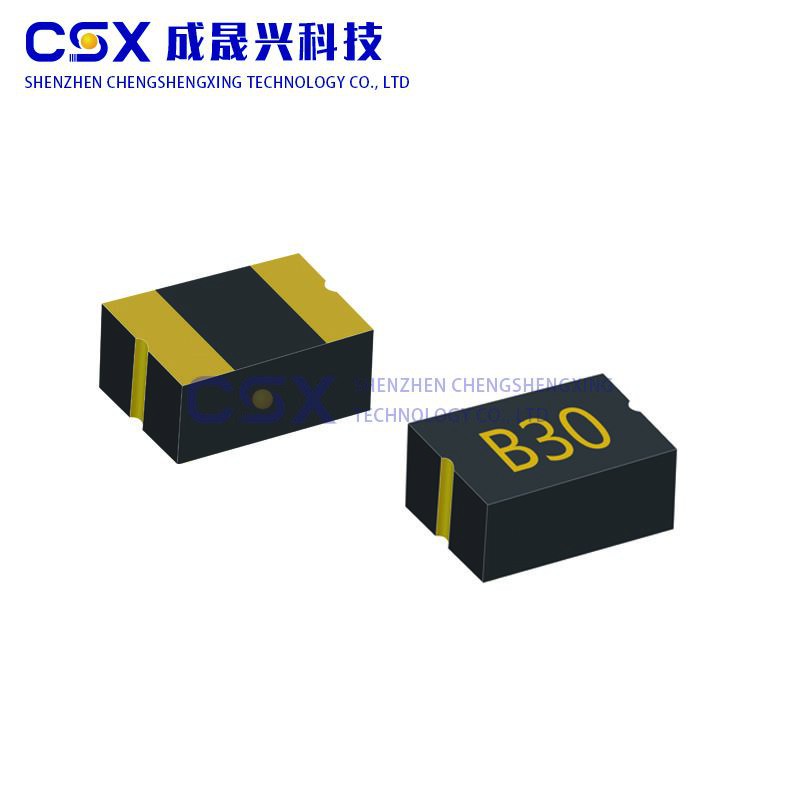
The quality of materials used in the construction of force transmitters is a significant determinant of their lifespan. High-quality materials, such as stainless steel, alloy steel, and high-grade electronic components, are more resistant to wear, corrosion, and environmental factors. At our company, we use only the finest materials and adhere to strict manufacturing standards to ensure the durability and reliability of our Force Transmitters B30. Our advanced manufacturing processes, including precision machining and calibration, further enhance the performance and longevity of our products.
2. Operating Conditions
The operating conditions in which force transmitters are used can have a profound impact on their lifespan. Extreme temperatures, humidity, vibration, and exposure to chemicals or contaminants can all accelerate the wear and tear of the device. For example, force transmitters used in outdoor environments or harsh industrial settings may be subject to more severe conditions than those used in controlled indoor environments. To mitigate the effects of operating conditions, it's essential to choose force transmitters that are specifically designed for the intended application and to provide appropriate protection, such as enclosures or shielding.
3. Maintenance and Calibration
Regular maintenance and calibration are essential for ensuring the accuracy and reliability of force transmitters over time. Maintenance tasks may include cleaning, inspection, and lubrication of the device, as well as checking for any signs of damage or wear. Calibration, on the other hand, involves adjusting the device to ensure that it provides accurate measurements. By following the manufacturer's recommended maintenance and calibration schedule, you can extend the lifespan of your force transmitters and minimize the risk of measurement errors.
4. Usage Frequency and Load
The frequency of use and the magnitude of the load applied to the force transmitter can also affect its lifespan. Force transmitters that are used frequently or subjected to high loads may experience more wear and tear than those used less frequently or with lower loads. It's important to choose a force transmitter with a suitable load capacity for your application and to avoid overloading the device. Additionally, using the force transmitter within its specified operating range can help to prolong its lifespan.
Typical Lifespan of Force Transmitters
The lifespan of force transmitters can vary widely depending on the factors mentioned above. In general, high-quality force transmitters that are properly maintained and used within their specified operating conditions can last anywhere from 5 to 15 years or more. However, it's important to note that this is just a rough estimate, and the actual lifespan of your force transmitter may be shorter or longer depending on your specific circumstances.
Extending the Lifespan of Force Transmitters
To maximize the lifespan of your force transmitters, consider the following tips:
- Choose the Right Device: Select a force transmitter that is suitable for your application and operating conditions. Consider factors such as load capacity, accuracy, and environmental resistance when making your selection.
- Provide Proper Protection: Use enclosures, shields, or other protective measures to safeguard the force transmitter from harsh environmental conditions, such as dust, moisture, and vibration.
- Follow Maintenance and Calibration Schedule: Adhere to the manufacturer's recommended maintenance and calibration schedule to ensure the accuracy and reliability of the device over time.
- Monitor Performance: Regularly monitor the performance of the force transmitter to detect any signs of wear, damage, or measurement errors. If you notice any issues, take prompt action to address them.
Related Products and Their Longevity
In addition to force transmitters, we also offer a range of related products, such as Angle Switch Angle Detection CSX - SEN - 815A and Tilt Switch Power - off Protection S07D. These products also play important roles in various applications and can have a similar lifespan to force transmitters when properly maintained and used within their specified operating conditions.
Conclusion
The lifespan of force transmitters is influenced by a variety of factors, including the quality of materials, operating conditions, maintenance, and usage. By understanding these factors and taking appropriate measures to extend the lifespan of your force transmitters, you can ensure the accuracy and reliability of your force measurements for years to come.
If you're in the market for high-quality force transmitters or related products, we invite you to contact us for more information. Our team of experts is ready to assist you in selecting the right products for your needs and providing you with the support and guidance you require. Whether you're looking for a single force transmitter or a complete system solution, we have the expertise and resources to meet your requirements.
References
- Manufacturer's documentation for force transmitters, angle switches, and tilt switches.
- Industry standards and guidelines for force measurement and related equipment.


