


Hey there, fellow car enthusiasts! As a supplier of Car Alarm Shock Sensors, I've seen firsthand how crucial it is to have these sensors properly calibrated. A well - calibrated shock sensor can be the difference between a reliable car alarm system and one that goes off at every little bump. So, let's dive into how you can calibrate a car alarm shock sensor.
Why Calibration Matters
First off, you might be wondering why calibration is such a big deal. Well, a car alarm shock sensor is designed to detect sudden movements or impacts on your vehicle. If it's not calibrated correctly, it could be too sensitive and go off at the slightest vibration, like when a big truck drives by or a gust of wind shakes your car. On the other hand, if it's not sensitive enough, it might not detect an actual break - in or a collision.
Tools You'll Need
Before you start the calibration process, you'll need a few tools. You'll need a basic set of screwdrivers, as you might have to open up the alarm control box to access the sensor. A multimeter can also be handy to check the electrical connections and make sure everything is in working order. And of course, you'll need your car keys to arm and disarm the alarm system.
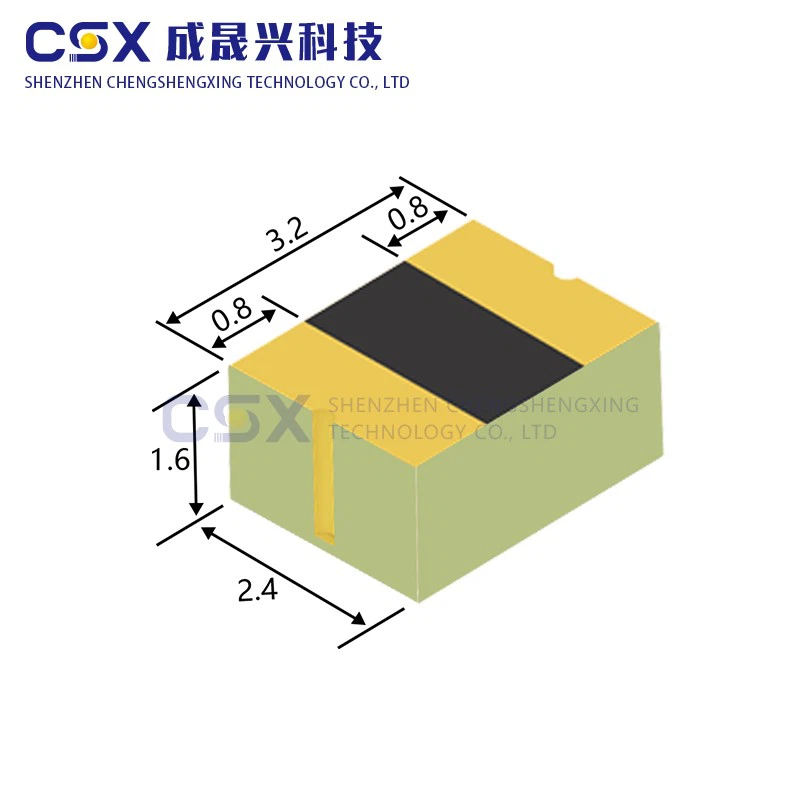

Step 1: Locate the Shock Sensor
The first step in calibrating your car alarm shock sensor is to find it. In most cars, the shock sensor is located inside the alarm control box, which is usually mounted under the dashboard on the driver's side. Sometimes, it can also be found in the engine compartment or in the trunk. You might have to refer to your car's manual or the alarm system's installation guide to find its exact location.
Step 2: Check the Electrical Connections
Once you've located the shock sensor, the next thing you should do is check the electrical connections. Loose or corroded connections can cause the sensor to malfunction. Use your multimeter to check if there's a proper electrical current flowing through the sensor. If you find any loose wires, make sure to tighten them up. And if there's corrosion, you can clean it off with a wire brush or some electrical contact cleaner.
Step 3: Set the Sensitivity Level
Now, it's time to set the sensitivity level of the shock sensor. Most shock sensors come with a sensitivity adjustment screw or a potentiometer. You can use a small screwdriver to turn this screw. To start, set the sensitivity to the lowest level. This will make the sensor less likely to go off at minor vibrations.
Next, arm your car alarm system. Then, gently tap on different parts of your car, like the doors or the hood. If the alarm doesn't go off, gradually increase the sensitivity level by turning the adjustment screw a little bit at a time. Keep testing the sensor by tapping on the car until the alarm goes off when you give it a moderate tap.
Step 4: Test the Sensor in Different Situations
After you've set the initial sensitivity level, it's important to test the sensor in different real - world situations. Drive your car around a bit and see if the alarm goes off when you hit a pothole or drive over a speed bump. If it does, the sensor might be too sensitive, and you'll need to lower the sensitivity level again.
You can also park your car in a busy area where there's a lot of traffic and people walking by. See if the alarm goes off due to normal vibrations from the environment. If it does, adjust the sensitivity accordingly.
Step 5: Fine - Tuning
Calibration is often a process of fine - tuning. You might need to go back and forth between adjusting the sensitivity and testing the sensor several times to get it just right. Remember, the goal is to have the sensor detect actual threats like a break - in or a collision, but not false alarms from normal everyday vibrations.
Different Types of Our Car Alarm Shock Sensors
As a supplier, we offer a variety of high - quality car alarm shock sensors. For example, our Motion Displacement Detection CSX - SEN - S02 is a great option for detecting even the slightest movements. It uses advanced technology to accurately sense motion and displacement, providing reliable protection for your vehicle.
Another popular product is our Vibration Transmitter Strike Detection CSX - SEN - 300A. This sensor is specifically designed to detect strong impacts and strikes on your car. It can quickly trigger the alarm when it senses a significant force, giving you peace of mind knowing that your car is well - protected.
And if you're looking for a more industrial - grade option, our Vibration Switch Industrial CSX - SEN - S06 is a great choice. It's built to be durable and can withstand harsh environments, making it suitable for all types of vehicles.
Contact Us for Your Car Alarm Shock Sensor Needs
If you're interested in purchasing our car alarm shock sensors or need more information about calibration or any other technical aspects, don't hesitate to reach out. We're here to help you find the perfect sensor for your vehicle and ensure that it's calibrated correctly. Whether you're a car owner looking to upgrade your alarm system or an auto shop looking for reliable sensors for your customers, we've got you covered.
References
- Automotive Alarm System Installation Manuals
- Car Owner's Manuals
- Technical Guides on Car Alarm Shock Sensors


