Hey there! As a supplier of Rotation Sensor Switches, I often get asked about the fall time of a Rotation Sensor Switch's output signal. So, let's dive right into it and break down what this fall time is all about.
First off, what exactly is a Rotation Sensor Switch? Well, it's a nifty little device that can detect rotation or angular movement. These switches are used in a whole bunch of applications, from industrial machinery to consumer electronics. They're super handy for things like detecting the orientation of a device, triggering actions based on rotation, and more.
Now, let's talk about the output signal. When a Rotation Sensor Switch detects a change in rotation or reaches a certain angular position, it sends out an output signal. This signal can be in the form of an electrical pulse, a change in voltage, or something similar. The fall time of this output signal is the time it takes for the signal to transition from its high state (usually representing an "on" or "active" condition) to its low state (usually representing an "off" or "inactive" condition).
Why does the fall time matter? Well, in many applications, the timing of these signals is crucial. For example, in a robotics system, the fall time of a Rotation Sensor Switch's output signal can affect the accuracy of the robot's movements. If the fall time is too long, it could cause delays in the control system, leading to imprecise actions. On the other hand, if the fall time is too short, it might not give the control system enough time to properly process the signal.
There are a few factors that can influence the fall time of a Rotation Sensor Switch's output signal. One of the main factors is the internal circuitry of the switch itself. Different designs and components can have different response times, which will affect the fall time. For example, a switch with a simple mechanical design might have a longer fall time compared to a switch with more advanced electronic components.
Another factor is the load connected to the switch. If the load has a high capacitance or resistance, it can slow down the discharge of the electrical energy in the circuit, resulting in a longer fall time. So, when choosing a Rotation Sensor Switch for a particular application, it's important to consider the characteristics of the load and make sure they're compatible with the switch's output signal specifications.
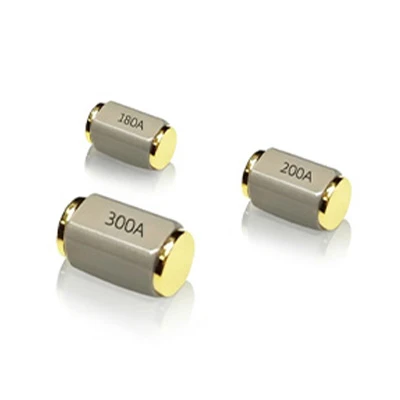
Let's take a look at some of the products we offer as a Rotation Sensor Switch supplier. We have the Rotation Sensor Switch CSX - SEN - 360A - 30U. This switch is known for its high accuracy and reliable performance. It has a relatively short fall time, which makes it suitable for applications where fast signal transitions are required.
We also have the Omnidirectional Tilt Angle Detection Switch CSX - SEN - 660B. This switch can detect tilt angles in multiple directions, and its fall time is carefully calibrated to ensure smooth and accurate operation. It's a great choice for applications like gaming controllers, where precise tilt detection is essential.
And then there's the Switching Components CSX60. These components are designed to work in conjunction with other sensors and control systems. They have a well - defined fall time that can be adjusted to meet the specific requirements of different applications.
To measure the fall time of a Rotation Sensor Switch's output signal, you can use an oscilloscope. An oscilloscope is a device that can display the waveform of an electrical signal over time. By connecting the output of the switch to the oscilloscope, you can see the exact shape of the signal and measure the fall time.
When you're using a Rotation Sensor Switch in your project, it's also important to consider the environmental conditions. Factors like temperature, humidity, and vibration can all have an impact on the performance of the switch, including the fall time of its output signal. For example, high temperatures can cause the internal components of the switch to expand, which might affect the electrical properties and change the fall time.
In some cases, you might need to adjust the fall time of the output signal. This can be done through external circuitry, such as adding resistors or capacitors to the circuit. However, it's important to do this carefully, as incorrect adjustments can lead to other problems, like signal distortion or interference.
If you're in the market for a Rotation Sensor Switch, it's a good idea to do some research and compare different products. Look at the specifications, including the fall time, as well as other important factors like accuracy, reliability, and cost. You can also reach out to us as a supplier. We have a team of experts who can help you choose the right switch for your specific application and answer any questions you might have about the fall time or other aspects of the product.
Whether you're working on a small DIY project or a large - scale industrial application, understanding the fall time of a Rotation Sensor Switch's output signal is essential for getting the best performance out of your system. So, take the time to learn about it, and don't hesitate to contact us if you need any assistance with your Rotation Sensor Switch needs. We're here to help you make the right choice and ensure that your project runs smoothly.


If you're interested in purchasing our Rotation Sensor Switches or have any questions about our products, feel free to reach out. We're always happy to have a chat and discuss how our switches can meet your requirements. Let's start a conversation about your project and see how we can work together to make it a success.
References
- General knowledge of electronics and sensor technology
- Product specifications of Rotation Sensor Switch CSX - SEN - 360A - 30U, Omnidirectional Tilt Angle Detection Switch CSX - SEN - 660B, and Switching Components CSX60.