


Hey there! As a supplier of tilt Roll Ball switches, I often get asked about the visual indication of these switches' states. So, I thought I'd write this blog to share some insights on this topic.
First off, let's understand what a tilt Roll Ball switch is. It's a type of switch that operates based on the movement and position of a ball inside a chamber. When the switch is tilted or moved, the ball rolls around, and this movement triggers the switch to change its state, either opening or closing an electrical circuit.
Now, the big question is, is there any visual indication of a tilt Roll Ball switch's state? Well, it depends on the specific design of the switch. Some tilt Roll Ball switches come with built - in visual indicators, while others don't.
Switches with Visual Indicators
For those switches that do have visual indicators, the most common ones are LEDs (Light - Emitting Diodes). LEDs are great because they're small, energy - efficient, and can be easily integrated into the switch design.
When the switch is in one state (say, the circuit is closed), the LED might light up. For example, if you're using a tilt Roll Ball switch in a security system, when the switch detects a tilt (indicating possible unauthorized movement), the LED could glow red to alert you. This kind of visual feedback is super useful, especially in applications where you need to quickly check the status of the switch without having to use any additional testing equipment.
Let me give you an example. Take our Unidirectional Tilt Switch S07. This switch is designed for specific unidirectional tilt detection. It has an integrated LED that provides a clear visual indication of its state. When the switch is triggered due to the correct tilt angle, the LED lights up, making it easy for you to see at a glance whether the switch is working as expected.
Switches without Visual Indicators
On the other hand, not all tilt Roll Ball switches have visual indicators. There are several reasons for this. One is cost. Adding an LED and the necessary circuitry to power it can increase the manufacturing cost of the switch. So, for applications where cost is a major concern, manufacturers might opt for a more basic design without a visual indicator.
Another reason could be the application itself. In some industrial settings, the switch might be installed in a location where visual inspection is not practical. For example, if the switch is deep inside a machine or in a hard - to - reach area, a visual indicator might not be that useful. In such cases, the switch's state is often monitored through other means, like connecting it to a control system that can display the status on a remote screen.
However, just because a switch doesn't have a built - in visual indicator doesn't mean you can't figure out its state. You can use external testing equipment, such as a multimeter, to check if the circuit is open or closed. This method is more accurate but requires some technical knowledge and the right tools.

Using Visual Indicators in Different Applications
Let's talk about how visual indicators can be beneficial in different applications.
Security Systems
In security systems, visual indicators on tilt Roll Ball switches can be a game - changer. Imagine you have a valuable piece of equipment protected by a tilt - sensitive switch. If someone tries to move or tilt the equipment, the switch will trigger, and the LED will light up. This gives you an immediate visual cue that something might be wrong, allowing you to take action quickly. Our Shock Sensor Motion Detection CSX - SEN - 350A can be used in such security setups. It combines shock and tilt detection, and with its optional visual indicator, you can easily monitor its state.
Industrial Machinery
In industrial machinery, tilt Roll Ball switches are used to detect the position or movement of various parts. For example, in a conveyor belt system, a tilt switch can be used to detect if the belt is tilted beyond a certain angle, which could indicate a problem. A visual indicator on the switch can help maintenance workers quickly identify which switch is triggered, reducing the time it takes to diagnose and fix the issue.
Automotive Applications
In cars, tilt Roll Ball switches can be used for things like airbag deployment systems or anti - theft devices. A visual indicator on these switches can provide important feedback to mechanics during maintenance or troubleshooting. For instance, if there's a problem with the tilt detection in an anti - theft system, the lit LED on the switch can point the mechanic in the right direction.
The Future of Visual Indicators in Tilt Roll Ball Switches
As technology advances, we can expect to see more innovative uses of visual indicators in tilt Roll Ball switches. For example, we might see switches with multi - colored LEDs that can convey different levels of information. A green LED could indicate normal operation, while a yellow LED might signal a warning, and a red LED could mean a critical fault.
Also, with the rise of the Internet of Things (IoT), tilt Roll Ball switches with visual indicators could be integrated into smart systems. These systems could send real - time notifications to your smartphone or other devices based on the state of the switch.
Conclusion
So, in summary, the visual indication of a tilt Roll Ball switch's state can vary depending on the design. Some switches come with built - in LEDs that provide clear visual feedback, while others rely on external testing methods. Whether you need a switch with a visual indicator or not depends on your specific application and requirements.
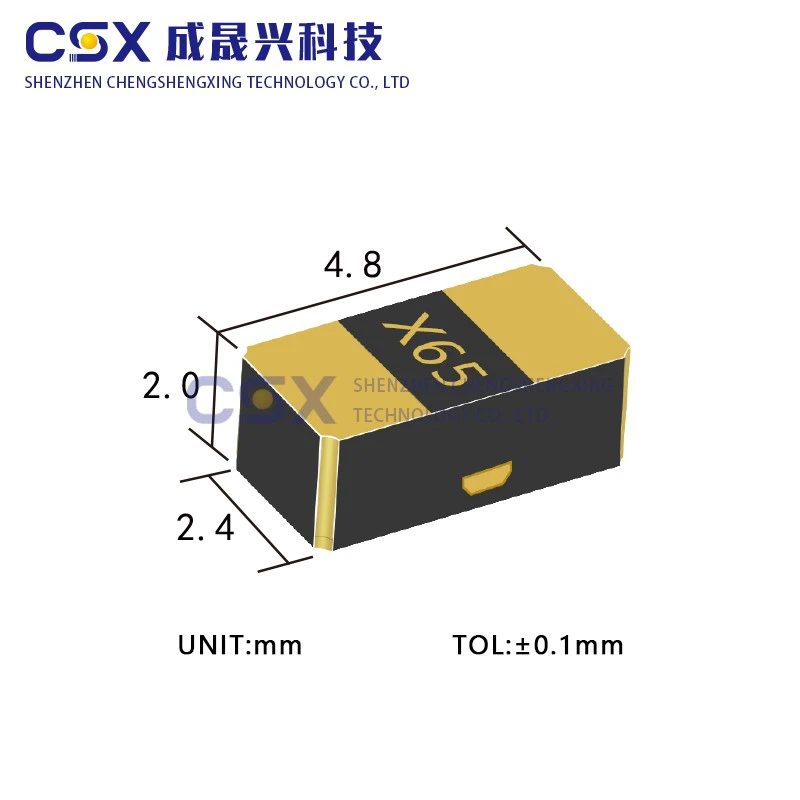
If you're in the market for tilt Roll Ball switches or want to learn more about our products, feel free to reach out. We're here to help you find the right switch for your needs and can provide all the technical support you might require. Whether it's the Unidirectional Tilt Switch S07, Shock Sensor Motion Detection CSX - SEN - 350A, or Angle Transmitter X65, we've got you covered.
References
- General knowledge of tilt Roll Ball switch technology
- Product specifications of Unidirectional Tilt Switch S07, Shock Sensor Motion Detection CSX - SEN - 350A, and Angle Transmitter X65.


