


Hey there! As a supplier of unidirectional tilt switches, I often get asked if these nifty little devices can be used in power management systems. Well, let's dive right into it and find out!
First off, let's quickly understand what a unidirectional tilt switch is. It's a simple yet powerful device that can detect the tilt or inclination of an object in one specific direction. When the tilt reaches a certain angle, the switch changes its state, either opening or closing an electrical circuit. This basic functionality makes it a versatile tool in many applications.
Now, onto power management systems. These systems are all about controlling and distributing electrical power efficiently. They're used in a wide range of settings, from small electronic devices to large industrial complexes. The goal is to ensure that power is used effectively, minimize waste, and protect equipment from power - related issues.
So, can a unidirectional tilt switch fit into this picture? The answer is a resounding yes! Here are some ways these switches can be used in power management systems.
1. Over - tilt protection
In many power - related equipment, such as generators or large battery banks, over - tilting can be a serious problem. If a generator is tilted beyond a certain angle, it can cause fuel to flow unevenly, leading to engine damage or inefficient operation. A unidirectional tilt switch can be installed in these devices to detect when the tilt exceeds a safe limit. When this happens, the switch can trigger a circuit to shut off the power supply, protecting the equipment from potential damage. For example, if you have a portable generator that you use on a construction site, and it accidentally gets tilted too much while being moved, the tilt switch can quickly cut off the power to prevent any long - term harm.
2. Energy - saving in movable equipment
There are many movable power - consuming devices, like robotic arms in a factory or electric vehicles. These devices often consume power even when they're in an idle or non - optimal position. A unidirectional tilt switch can be used to detect when the device is in a position where it doesn't need to be fully powered. For instance, if a robotic arm is tilted to a position where it's not performing any tasks, the tilt switch can signal the power management system to reduce the power supply to a standby level. This way, energy is saved, and the overall efficiency of the system is improved.
3. Safety in power distribution units
Power distribution units (PDUs) are crucial for distributing electrical power in data centers and other large facilities. In case of an earthquake or other events that could cause the PDU to tilt, a unidirectional tilt switch can be employed. If the PDU tilts beyond a safe angle, the switch can disconnect the power to prevent short - circuits or other electrical hazards. This adds an extra layer of safety to the power management system.
Product examples
We offer a range of high - quality unidirectional tilt switches that are suitable for power management applications. One of our popular products is the Angle Transmitter X65. This switch is highly accurate in detecting tilt angles and can be easily integrated into existing power management systems. It has a wide operating temperature range, making it suitable for various environments.
Another great option is the Shock Sensor Motion Detection CSX - SEN - 350A. This device not only detects tilt but also shock and motion. In a power management system, it can be used to detect sudden movements or vibrations that could potentially affect the power supply. For example, in a power sub - station, it can detect if there's any unauthorized movement of equipment or if there's a seismic event that might cause the power infrastructure to tilt.
Our Tilt Roll Ball Switch CSX - SEN - 645A - D is also a reliable choice. It's a simple yet effective switch that can be used in a variety of power - related applications. It's cost - effective and easy to install, making it a great option for small - scale power management systems or for retrofitting existing equipment.
Considerations when using tilt switches in power management
While unidirectional tilt switches offer many benefits in power management systems, there are a few things to keep in mind.
First, the accuracy of the tilt switch is crucial. You need to make sure that the switch can accurately detect the tilt angle that you've set as the threshold. If the switch is not accurate, it might either trigger false alarms or fail to detect a dangerous tilt.
Second, the durability of the switch is important. Power management systems often operate in harsh environments, with factors like temperature variations, humidity, and electrical interference. The tilt switch should be able to withstand these conditions without malfunctioning.
Finally, the integration of the tilt switch into the existing power management system needs to be carefully planned. You need to ensure that the switch can communicate effectively with the other components of the system, such as the control unit and the power supply.
Conclusion
In conclusion, unidirectional tilt switches have a lot of potential in power management systems. They can provide over - tilt protection, help save energy, and enhance safety. Whether you're dealing with small - scale electronic devices or large - scale industrial power systems, these switches can be a valuable addition.

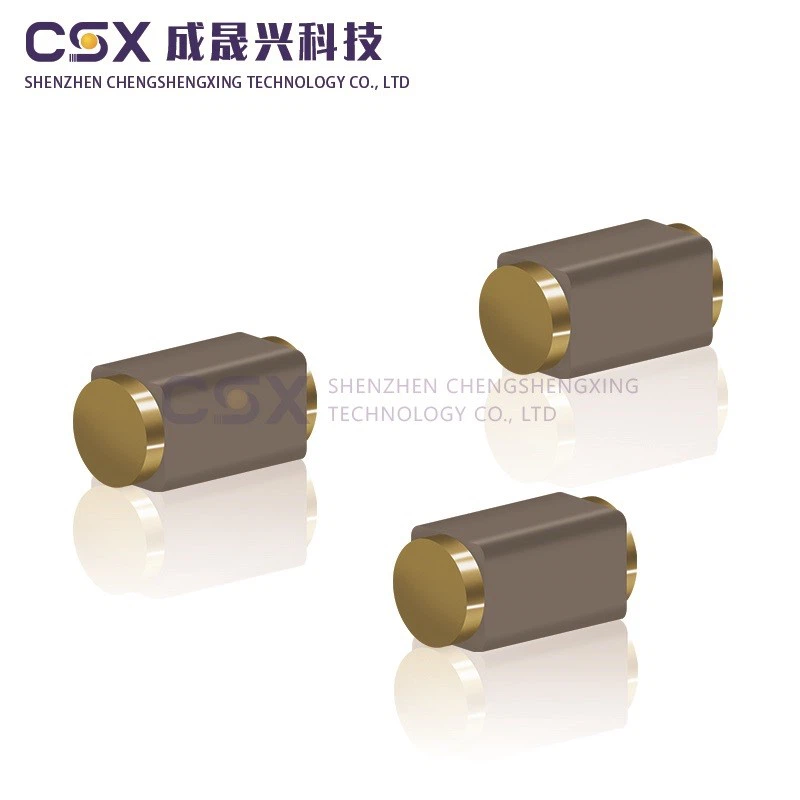
If you're interested in using our unidirectional tilt switches in your power management system, I'd love to have a chat with you. We can discuss your specific requirements, and I can help you choose the right product for your needs. Don't hesitate to reach out and start a conversation about how we can work together to improve your power management system.
References
- "Power Electronics: Converters, Applications, and Design" by Ned Mohan, Tore M. Undeland, and William P. Robbins
- "Industrial Power Systems Handbook" by Roger C. Dugan, Mark F. McGranaghan, and Surya Santoso


