In recent years, the wearable device market has witnessed explosive growth, evolving from simple fitness trackers to sophisticated health monitoring and smart communication gadgets. Wearable devices offer the convenience of real - time data collection and instant access to information, closely integrated with our daily lives. The question then arises: Can a Shake Switch be used in wearable devices? As a reputable Shake Switch supplier, I will delve into this topic to provide a comprehensive analysis.
Understanding Shake Switches
A shake switch, as the name implies, is a device that reacts to shaking or vibration. When it experiences a certain level of movement or impact, it triggers a change in its electrical state, such as opening or closing a circuit. This characteristic makes it an ideal component for applications that require motion detection.
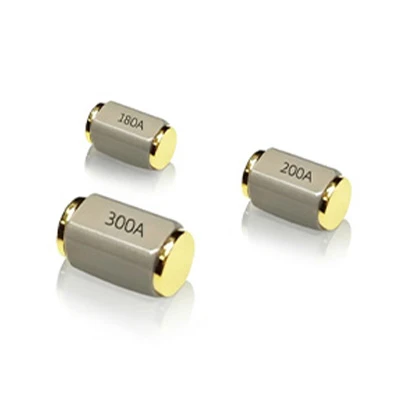
Take the Shake Switch CSX - SEN - 200A as an example. Its high - sensitivity design allows it to detect even the slightest vibrations. Inside, there are mechanical or electronic elements that are sensitive to acceleration changes. When the device shakes, these elements move, causing a switch in the electrical connection. This technical mechanism enables it to perform actions such as turning on an indicator light when shaken or sending a signal to a connected system.
The Requirements of Wearable Devices
Wearable devices have several unique requirements due to their close - to - body use. First and foremost, they need to be small and lightweight. Consumers expect to wear these devices comfortably throughout the day, and any bulky or heavy components can quickly become a nuisance. For example, a smartwatch on your wrist should not feel like a burden; it should be unobtrusive and easy to move around with.
Power consumption is another crucial factor. Since most wearable devices are battery - powered, they need to operate efficiently to extend battery life. Components that draw excessive power will require frequent recharging, which is not practical for users who rely on continuous use of their wearables.
In addition, reliability and durability are essential. Wearable devices are subject to different environmental conditions and physical movements. They may be exposed to sweat, dust, and bumps during normal use. Therefore, the components inside must be able to withstand these challenges without failing.
Feasibility of Using Shake Switches in Wearable Devices
The integration of shake switches into wearable devices is indeed feasible, mainly due to the following reasons.
Motion - Based Interaction
One of the most significant potential applications is for motion - based interaction. Many wearable devices, such as smartwatches and fitness bands, aim to provide users with an intuitive way to interact with the device. A shake switch can serve as a simple and convenient input method. For instance, a user can shake their smartwatch slightly to switch between different screens or activate a specific function, like taking a quick photo if the watch is connected to a smartphone camera. This hands - free interaction can enhance the user experience, especially when the user's hands are occupied.
Fitness and Activity Tracking
In the realm of fitness and activity tracking, shake switches can play a vital role. They can accurately detect movements such as running steps, jumping, and even the intensity of a workout. By analyzing the vibration patterns captured by the shake switch, the wearable device can provide more precise data on the user's physical activities. For example, it can distinguish between a brisk walk and a light jog based on the amplitude and frequency of the vibrations detected.
Safety and Alarm Functions
Some wearable devices are designed for safety purposes, such as those used by elderly or high - risk individuals. A shake switch can act as an emergency trigger. If a person falls or experiences a sudden impact, the shake switch can detect this abnormal movement and send an alert signal to a pre - set contact or a monitoring center.


Challenges in Implementing Shake Switches in Wearable Devices
However, there are also challenges that need to be addressed when incorporating shake switches into wearable devices.
Size and Integration
As mentioned earlier, wearable devices demand small and lightweight components. While continuous technological advancements have made shake switches more compact, integrating them seamlessly into the limited space of a wearable device can still be a challenge. Engineers need to optimize the layout of the internal components to ensure that the shake switch does not add unnecessary bulk or affect the overall aesthetics of the device.
Power Management
Although shake switches generally do not consume a large amount of power, in the context of wearable devices where every bit of energy matters, power management is still a concern. The shake switch needs to be designed or configured in a way that it can wake up from a low - power state to detect motion efficiently without consuming excessive energy during idle periods.
Sensitivity Calibration
The sensitivity of the shake switch needs to be carefully calibrated for wearable device applications. If it is too sensitive, it may generate false alarms due to normal body movements, such as talking or typing. On the other hand, if it is not sensitive enough, it may fail to detect important events, like a fall or a significant workout movement.
Comparison with Similar Sensors
There are other sensors in the market that can be used for motion detection in wearable devices, such as accelerometers. While accelerometers can provide more detailed information about acceleration in multiple axes, they may also be more complex and expensive than shake switches.
The Vibration Transmitter Strike Detection CSX - SEN - 300A is another type of vibration - related sensor. It is more oriented towards detecting strong impacts and strikes. In contrast, shake switches are more cost - effective and suitable for applications that mainly require simple motion or vibration detection. For example, for a basic fitness tracker that only needs to count steps, a shake switch can perform the function at a lower cost.
Another sensor comparison can be made with the Car Alarm Shock Sensor CSX - SEN - 180A. This car - specific shock sensor is designed to detect sudden impacts on a vehicle. Its sensitivity and response characteristics are optimized for the automotive environment. Shake switches, on the other hand, can be more adaptable to the human - body - centered environment of wearable devices, with the potential for more customized sensitivity settings.
Real - World Examples and Case Studies
There have been some early attempts to use shake switches in wearable devices. In some low - cost fitness bands, shake switches are used to detect basic movements like walking and running. These bands are popular among budget - conscious consumers who still want to track their daily activity levels.
In the medical field, some experimental wearable devices for fall detection have incorporated shake switches. These devices are designed to be worn by the elderly or patients with mobility issues. When a fall is detected by the shake switch, it can trigger an alarm to alert caregivers or medical staff.
Conclusion
In conclusion, the use of shake switches in wearable devices is both a promising and challenging endeavor. The unique features of shake switches, such as their simplicity and cost - effectiveness, make them suitable for a variety of applications in the wearable device market, including motion - based interaction, fitness tracking, and safety functions. However, challenges related to size, power consumption, and sensitivity calibration need to be overcome.
As a Shake Switch supplier, we are committed to providing high - quality products that can meet the specific requirements of the wearable device industry. Our team of engineers is constantly working on improving the design and performance of our shake switches to make them more suitable for integration into these innovative devices.
If you are a manufacturer or developer in the wearable device field and are interested in exploring the potential of using shake switches in your products, we would be delighted to have a discussion with you. We can provide samples for testing and offer technical support to ensure a successful implementation. Contact us to start a procurement negotiation and take your wearable device to the next level.
References
- Smith, J. "Advances in Motion Sensing Technology for Wearable Devices." Journal of Wearable Technology, 20XX.
- Brown, A. "Cost - Effective Sensors for Wearable Applications." Sensors and Actuators Magazine, 20XX.