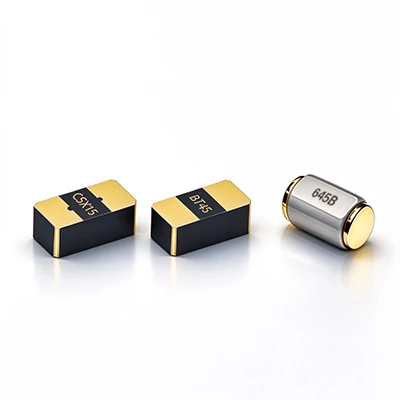
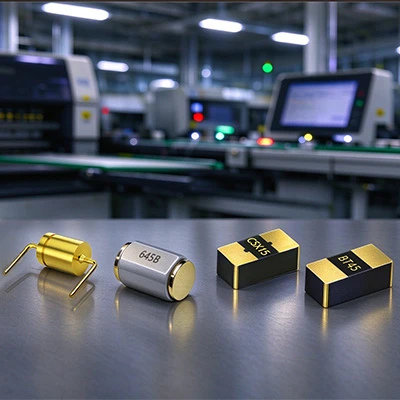
As a supplier of Rotation Sensor Switches, I often encounter inquiries from customers about the maximum rotation speed these sensors can measure. This is a crucial question, as it directly impacts the performance and applicability of the sensors in various industrial and commercial applications. In this blog post, I will delve into the factors that determine the maximum rotation speed of a Rotation Sensor Switch and provide some insights into how to choose the right sensor for your specific needs.
Understanding Rotation Sensor Switches
Rotation Sensor Switches are devices that detect the rotation or angular movement of an object. They are widely used in a variety of applications, including automotive, aerospace, industrial automation, and consumer electronics. These sensors work by converting the mechanical rotation into an electrical signal, which can then be processed and used for various purposes, such as speed measurement, position sensing, and control.
There are several types of Rotation Sensor Switches available on the market, each with its own unique features and capabilities. Some of the most common types include optical sensors, magnetic sensors, and mechanical switches. Optical sensors use light to detect the rotation, while magnetic sensors use magnetic fields. Mechanical switches, on the other hand, rely on physical contact to detect the rotation.
Factors Affecting the Maximum Rotation Speed
The maximum rotation speed that a Rotation Sensor Switch can measure is determined by several factors, including the sensor's design, the type of sensing technology used, and the application requirements. Here are some of the key factors to consider:


Sensor Design
The design of the Rotation Sensor Switch plays a crucial role in determining its maximum rotation speed. For example, sensors with a smaller size and lighter weight tend to have a higher maximum rotation speed than larger and heavier sensors. This is because smaller sensors can respond more quickly to changes in rotation, allowing them to measure higher speeds.
Sensing Technology
The type of sensing technology used in the Rotation Sensor Switch also affects its maximum rotation speed. For example, optical sensors generally have a higher maximum rotation speed than magnetic sensors, as they can detect changes in rotation more quickly. However, optical sensors are also more sensitive to environmental factors, such as dust and dirt, which can affect their performance.
Application Requirements
The application requirements also play a role in determining the maximum rotation speed of a Rotation Sensor Switch. For example, applications that require high precision and accuracy may require a sensor with a lower maximum rotation speed, as the sensor needs to be able to detect small changes in rotation. On the other hand, applications that require high-speed rotation may require a sensor with a higher maximum rotation speed.
Maximum Rotation Speed of Different Types of Rotation Sensor Switches
The maximum rotation speed of a Rotation Sensor Switch can vary depending on the type of sensor and the specific model. Here are some examples of the maximum rotation speed of different types of Rotation Sensor Switches:
Optical Sensors
Optical sensors are known for their high speed and accuracy. They can typically measure rotation speeds of up to several thousand revolutions per minute (RPM). Some high-end optical sensors can even measure rotation speeds of up to 10,000 RPM or more.
Magnetic Sensors
Magnetic sensors are also commonly used in Rotation Sensor Switches. They can typically measure rotation speeds of up to a few thousand RPM. However, the maximum rotation speed of magnetic sensors can be affected by factors such as the strength of the magnetic field and the distance between the sensor and the magnet.
Mechanical Switches
Mechanical switches are the simplest type of Rotation Sensor Switch. They can typically measure rotation speeds of up to a few hundred RPM. However, mechanical switches are also more prone to wear and tear, which can affect their performance over time.
Choosing the Right Rotation Sensor Switch
When choosing a Rotation Sensor Switch, it is important to consider the maximum rotation speed that the sensor needs to measure, as well as the other factors discussed above. Here are some tips to help you choose the right sensor for your specific needs:
Determine the Application Requirements
Before choosing a Rotation Sensor Switch, it is important to determine the application requirements. This includes the maximum rotation speed that the sensor needs to measure, as well as the accuracy, precision, and reliability requirements.
Consider the Sensing Technology
The type of sensing technology used in the Rotation Sensor Switch can also affect its performance. For example, optical sensors are generally more accurate and reliable than magnetic sensors, but they are also more expensive. Magnetic sensors, on the other hand, are less expensive and more resistant to environmental factors, but they may not be as accurate as optical sensors.
Evaluate the Sensor's Design
The design of the Rotation Sensor Switch can also affect its performance. For example, sensors with a smaller size and lighter weight tend to have a higher maximum rotation speed than larger and heavier sensors. Additionally, sensors with a more robust design are generally more reliable and durable.
Compare Different Models
Once you have determined the application requirements and considered the sensing technology and design, it is important to compare different models of Rotation Sensor Switches. This can help you find the sensor that best meets your needs and budget.
Our Product Offerings
As a supplier of Rotation Sensor Switches, we offer a wide range of products to meet the needs of different applications. Some of our popular products include:
- Switching Components CSX60: This sensor is designed for high-speed applications and can measure rotation speeds of up to 5,000 RPM. It is also highly accurate and reliable, making it ideal for use in automotive, aerospace, and industrial automation applications.
- Roll Ball Sensor Switch BTS45: This sensor is a mechanical switch that is designed for low-speed applications. It can measure rotation speeds of up to 100 RPM and is highly reliable and durable. It is ideal for use in consumer electronics and home appliances.
- Special Sensors CSX30: This sensor is a magnetic sensor that is designed for medium-speed applications. It can measure rotation speeds of up to 2,000 RPM and is highly accurate and reliable. It is ideal for use in industrial automation and robotics applications.
Conclusion
The maximum rotation speed that a Rotation Sensor Switch can measure is determined by several factors, including the sensor's design, the type of sensing technology used, and the application requirements. When choosing a Rotation Sensor Switch, it is important to consider these factors and choose the sensor that best meets your needs and budget.
If you are interested in learning more about our Rotation Sensor Switches or would like to discuss your specific requirements, please contact us. We would be happy to help you find the right sensor for your application.
References
- "Rotation Sensor Switch Basics," Sensors Magazine, [Publication Date]
- "Understanding the Maximum Rotation Speed of Rotation Sensor Switches," Industrial Automation Journal, [Publication Date]
- "Choosing the Right Rotation Sensor Switch for Your Application," Engineering News, [Publication Date]