


In the ever - evolving landscape of the aerospace industry, technological advancements are crucial for enhancing safety, efficiency, and performance. One such technology that has shown great potential is force transmitters. As a reputable force transmitters supplier, I am eager to explore the viability and benefits of using force transmitters in the aerospace sector.
Understanding Force Transmitters
Force transmitters are devices designed to measure force and convert it into an electrical signal. They work on various principles such as strain - gauge, piezoelectric, and capacitive technologies. Strain - gauge force transmitters, for example, measure the deformation of a material under force. When a force is applied to the sensing element, it causes a change in the electrical resistance of the strain gauge, which can then be measured and converted into a force value.
Piezoelectric force transmitters, on the other hand, generate an electric charge in response to mechanical stress. These types of transmitters are known for their high sensitivity and fast response times. Capacitive force transmitters measure changes in capacitance caused by the applied force. They offer advantages such as low power consumption and high resolution.
Applications of Force Transmitters in Aerospace
Structural Health Monitoring
One of the primary applications of force transmitters in the aerospace industry is structural health monitoring (SHM). Aircraft structures are subjected to a wide range of forces during flight, including aerodynamic forces, gravitational forces, and vibrations. Over time, these forces can cause fatigue, cracks, and other forms of damage to the structure.
Force transmitters can be installed at critical points on the aircraft structure to monitor the forces acting on it. By continuously measuring the forces, engineers can detect any abnormal changes that may indicate potential structural damage. For example, if a force transmitter installed on a wing spar detects an unexpected increase in force, it could be a sign of a crack or other structural issue. This early detection allows for timely maintenance and repair, reducing the risk of catastrophic failures.
Landing Gear Systems
Landing gear systems are another area where force transmitters can play a vital role. During takeoff and landing, the landing gear is subjected to significant forces. Force transmitters can be used to measure the forces acting on the landing gear, such as the weight of the aircraft at touchdown and the forces generated during braking.
This information is crucial for ensuring the safe operation of the landing gear. For instance, if the force transmitter detects an abnormal force distribution during landing, it could indicate a problem with the landing gear alignment or a malfunctioning brake system. By providing real - time force data, force transmitters can help pilots and maintenance crews make informed decisions to ensure the safety of the aircraft and its passengers.
Flight Control Systems
Flight control systems rely on accurate force measurements to operate effectively. Force transmitters can be used to measure the forces acting on control surfaces such as ailerons, elevators, and rudders. These measurements are used to determine the position and movement of the control surfaces, ensuring that the aircraft responds correctly to the pilot's inputs.
In addition, force transmitters can be used to monitor the forces acting on the flight control actuators. By measuring the forces, engineers can detect any signs of actuator failure or wear, allowing for timely replacement or maintenance. This helps to improve the reliability and safety of the flight control system.
Engine Testing
Force transmitters are also used in engine testing. During engine development and testing, it is essential to measure the forces generated by the engine, such as thrust, torque, and vibration. Force transmitters can provide accurate and reliable force measurements, allowing engineers to optimize the engine design and performance.
For example, by measuring the thrust force generated by the engine, engineers can determine the efficiency of the engine and make adjustments to improve its performance. Force transmitters can also be used to monitor the forces acting on the engine mounts, ensuring that they can withstand the forces generated by the engine during operation.
Our Force Transmitters Offerings
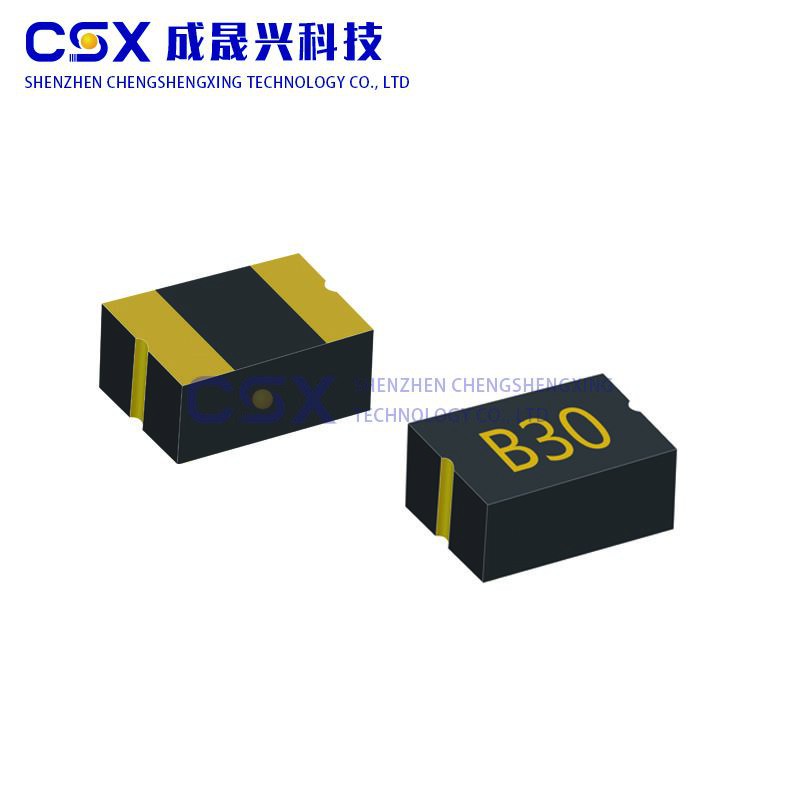
As a force transmitters supplier, we offer a wide range of high - quality force transmitters suitable for aerospace applications. Our Force Transmitters B30 are designed with advanced strain - gauge technology, providing accurate and reliable force measurements. They are highly resistant to environmental factors such as temperature, humidity, and vibration, making them ideal for use in the harsh aerospace environment.
In addition to our force transmitters, we also offer related products such as Tilt Switch Power - off Protection S07D and Angle Switch Angle Detection CSX - SEN - 815A. These products can be used in conjunction with our force transmitters to provide comprehensive monitoring and control solutions for aerospace applications.
Advantages of Using Our Force Transmitters in Aerospace
High Accuracy
Our force transmitters are designed to provide high - accuracy force measurements. This is essential in the aerospace industry, where even small errors in force measurement can have significant consequences. Our advanced technology and precise manufacturing processes ensure that our force transmitters can measure forces with a high degree of accuracy, providing reliable data for critical aerospace applications.
Robustness
The aerospace environment is extremely harsh, with high temperatures, vibrations, and electromagnetic interference. Our force transmitters are built to withstand these harsh conditions. They are made from high - quality materials and are designed with robust packaging to protect them from environmental factors. This ensures that our force transmitters can operate reliably in the aerospace environment, providing long - term performance and durability.

Customization
We understand that different aerospace applications have different requirements. That's why we offer customization options for our force transmitters. We can tailor the design, specifications, and features of our force transmitters to meet the specific needs of our customers. Whether it's a unique force range, a special mounting configuration, or a custom output signal, we can work with our customers to develop a force transmitter solution that meets their exact requirements.
Conclusion
In conclusion, force transmitters have significant potential for use in the aerospace industry. From structural health monitoring to flight control systems and engine testing, force transmitters can provide valuable data that enhances the safety, efficiency, and performance of aircraft. As a force transmitters supplier, we are committed to providing high - quality, reliable, and customizable force transmitter solutions for the aerospace sector.
If you are in the aerospace industry and are interested in learning more about how our force transmitters can benefit your applications, we invite you to contact us for a procurement discussion. Our team of experts is ready to assist you in finding the right force transmitter solution for your specific needs.
References
- Doebelin, E. O. (2003). Measurement Systems: Application and Design. McGraw - Hill.
- IEEE Std 1451 - 2007. Standard for a Smart Transducer Interface for Sensors and Actuators.
- Society of Automotive Engineers (SAE). Aerospace Standards.


