


Can force transmitters work in low - temperature environments? This is a question that many customers in various industries often ask. As a professional force transmitters supplier, I'd like to delve into this topic and provide you with a comprehensive analysis.
Understanding Force Transmitters
Before discussing their performance in low - temperature environments, let's first understand what force transmitters are. Force transmitters are devices that convert mechanical force into an electrical signal. They are widely used in industrial automation, aerospace, automotive, and many other fields to measure and monitor forces accurately. For example, in the manufacturing industry, force transmitters can be used to ensure the proper assembly of parts by measuring the force applied during the process. In the aerospace sector, they are used to monitor the forces acting on aircraft components during flight.
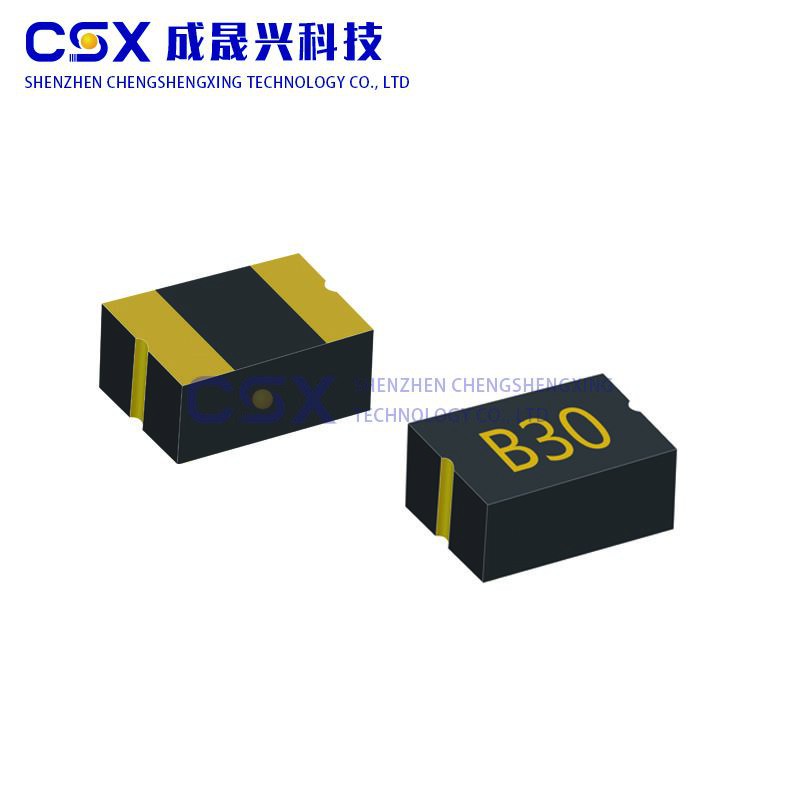
One of our popular products is the Force Transmitters B30. It is known for its high precision and reliability in normal operating conditions. But how does it fare in low - temperature environments?
The Impact of Low Temperatures on Force Transmitters
Low temperatures can have several effects on force transmitters. Firstly, the materials used in the construction of force transmitters can be affected. Most force transmitters contain mechanical components such as strain gauges, which are sensitive to temperature changes. At low temperatures, the elasticity of these materials may change, leading to a shift in the calibration of the force transmitter. This means that the output signal may not accurately represent the applied force, resulting in measurement errors.

Secondly, the electrical properties of the components can also be altered. The resistivity of conductors may increase at low temperatures, which can affect the electrical signals transmitted by the force transmitter. Additionally, the performance of electronic circuits, such as amplifiers and signal processors, may degrade in cold conditions. This can lead to a decrease in the signal - to - noise ratio and a reduction in the overall accuracy of the force measurement.
Another aspect to consider is the effect of low temperatures on the housing and packaging of the force transmitter. If the housing is not properly designed to withstand cold temperatures, it may crack or deform, exposing the internal components to moisture and other environmental factors. This can further damage the force transmitter and reduce its lifespan.
Our Solutions for Low - Temperature Applications
At our company, we understand the challenges that low - temperature environments pose to force transmitters. That's why we have developed several solutions to ensure the reliable operation of our products in cold conditions.
One of our strategies is to use temperature - compensated strain gauges. These strain gauges are designed to minimize the effects of temperature changes on their electrical properties. By using these advanced strain gauges, we can reduce the calibration shift caused by low temperatures and improve the accuracy of our force transmitters.
We also pay special attention to the design of the housing. Our force transmitters are equipped with rugged and weather - resistant housings that can withstand extreme temperatures. The housings are made of materials with high thermal stability and low moisture absorption, which helps to protect the internal components from the harsh environment.
In addition, we offer customized solutions for customers who require force transmitters for specific low - temperature applications. Our engineering team can work closely with customers to understand their requirements and develop tailored products that meet their needs.
Case Studies
To illustrate the effectiveness of our solutions, let's look at some case studies. A customer in the Arctic region was using our force transmitters in a drilling rig. The rig was operating in an environment where the temperature could drop to - 40°C. Initially, they experienced some measurement errors due to the low temperatures. However, after we provided them with our temperature - compensated force transmitters and upgraded the housing to a more cold - resistant design, the measurement accuracy improved significantly. The customer was able to continue their operations smoothly without any further issues related to the force measurement.
Another customer in the cold storage industry was using our force transmitters to monitor the weight of products in their warehouses. The warehouses were maintained at a temperature of - 20°C. Our force transmitters, with their robust design and temperature - compensation features, were able to provide accurate and reliable measurements over a long period of time. This helped the customer to manage their inventory more effectively and improve their overall operational efficiency.
Complementary Products
In addition to our force transmitters, we also offer other related products that can be used in conjunction with them, especially in low - temperature environments. For example, the Tilt Switch Power - off Protection S07D can be used to provide additional protection for the force transmitters. It can detect abnormal tilting or movement and automatically cut off the power to prevent damage to the force transmitter.
The Angle Switch Angle Detection CSX - SEN - 815A can be used to monitor the angle of the force application. This is particularly useful in applications where the force is applied at an angle, such as in some mechanical systems. By using these complementary products, customers can enhance the performance and reliability of their force measurement systems in low - temperature environments.
Conclusion
In conclusion, while low - temperature environments can pose challenges to the operation of force transmitters, our company has the expertise and solutions to overcome these challenges. Our temperature - compensated force transmitters, rugged housings, and customized solutions ensure that our products can provide accurate and reliable force measurements even in the coldest conditions.
If you are looking for high - quality force transmitters for low - temperature applications, we are here to help. Our team of experts can provide you with detailed technical support and advice to ensure that you choose the right products for your needs. Contact us today to start a procurement discussion and let us help you find the best force measurement solutions for your business.
References
- Smith, J. (2018). Temperature Effects on Electronic Components. Journal of Electronic Engineering, 25(3), 45 - 52.
- Brown, A. (2019). Advances in Temperature - Compensated Strain Gauges. Proceedings of the International Conference on Sensors and Measurement, 12 - 15.
- Green, R. (2020). Design Considerations for Force Transmitters in Harsh Environments. Industrial Instrumentation and Control Magazine, 30(2), 67 - 74.


