


Hey there! As a supplier of Angle Transmitters, I've seen firsthand how various environmental factors can mess with these nifty devices. One such factor that often gets overlooked is dust. Yup, that seemingly harmless stuff that collects on your bookshelf can actually have a significant impact on an Angle Transmitter. Let's dive into how dust affects these gadgets and what you can do about it.
How Dust Gets In
First off, dust can find its way into an Angle Transmitter in a bunch of ways. In industrial settings, where these transmitters are commonly used, there's often a lot of dust floating around from manufacturing processes, construction work, or just general wear and tear. Even in less industrial environments, like warehouses or storage facilities, dust can accumulate over time. And let's not forget about outdoor applications, where wind and other weather conditions can carry dust particles right into the transmitter.
Impact on Mechanical Components
One of the most obvious ways dust affects an Angle Transmitter is by gumming up its mechanical components. These transmitters often have moving parts, like gears, bearings, and shafts, that need to move smoothly to accurately measure angles. When dust gets into these components, it can act like sandpaper, causing friction and wear. Over time, this can lead to misalignments, reduced accuracy, and even complete failure of the transmitter.
For example, let's say you're using an Angle Transmitter X65 in a dusty factory environment. The dust particles can settle on the gears inside the transmitter, making them grind against each other. This not only affects the accuracy of the angle measurements but also shortens the lifespan of the device. You might start noticing that the readings are off or that the transmitter is making strange noises. That's a sign that the dust is taking its toll.
Electrical Issues
Dust can also cause electrical problems in an Angle Transmitter. Many transmitters rely on electrical signals to communicate the angle measurements to other devices. When dust accumulates on the electrical contacts or circuit boards, it can create a barrier that interferes with the flow of electricity. This can lead to signal loss, intermittent readings, or even short circuits.

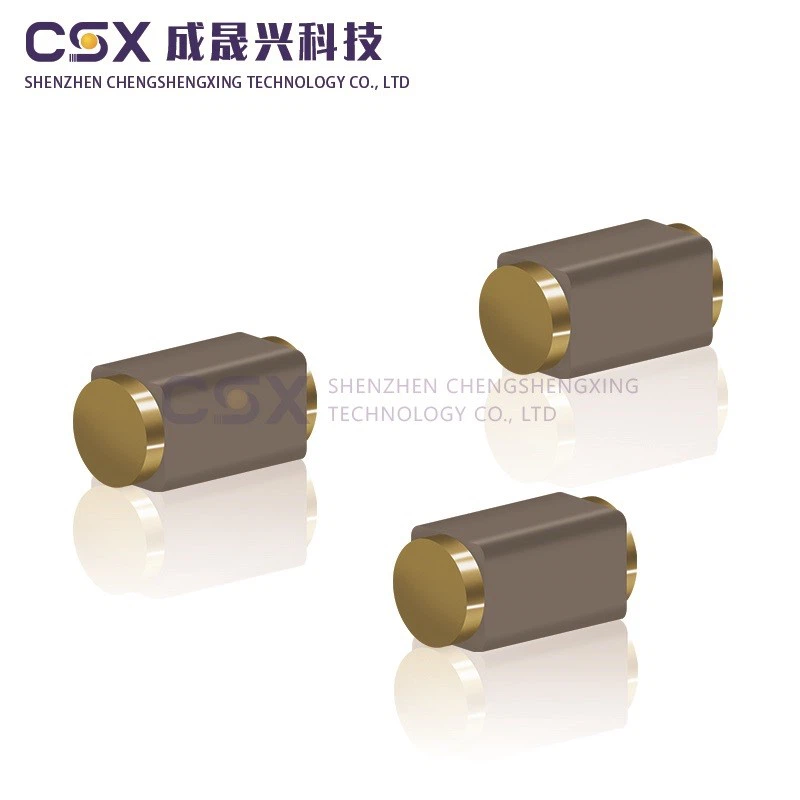
Imagine you're using a Unidirectional Tilt Switch S07 to monitor the tilt of a platform. If dust builds up on the electrical contacts inside the switch, the signal might not be transmitted properly to the control system. As a result, the system might not receive accurate information about the tilt angle, which could lead to safety hazards or operational inefficiencies.
Optical Interference
Some Angle Transmitters use optical sensors to measure angles. These sensors rely on light to detect changes in position. Dust can interfere with the light path, causing inaccurate readings. If dust particles settle on the lens or other optical components of the transmitter, they can scatter or block the light, making it difficult for the sensor to accurately detect the angle.
Take the Tilt Roll Ball Switch CSX - SEN - 645A - D as an example. If dust covers the optical sensor in this switch, the light beam used to detect the position of the ball might be disrupted. This can lead to false readings or a complete failure of the switch to detect changes in tilt.
Protection and Maintenance
So, what can you do to protect your Angle Transmitters from dust? The first step is to choose a transmitter that is designed to be dust - resistant. Look for models that have sealed enclosures or protective coatings to keep dust out. Many modern transmitters are rated for specific environmental conditions, so make sure to select one that is suitable for your application.
Regular maintenance is also crucial. This includes cleaning the transmitters regularly to remove any dust that has accumulated. You can use compressed air or a soft brush to gently clean the exterior and interior of the device. It's also a good idea to inspect the transmitters for any signs of wear or damage and replace any worn - out components as needed.
When to Replace
Despite your best efforts at protection and maintenance, there will come a time when a dust - affected Angle Transmitter needs to be replaced. If you notice that the accuracy of the transmitter has significantly decreased, that it's constantly malfunctioning, or that the mechanical or electrical components are severely damaged, it's probably time to invest in a new one.
Conclusion
In conclusion, dust can have a major impact on the performance and lifespan of an Angle Transmitter. From mechanical wear to electrical issues and optical interference, dust can cause a whole host of problems. But by choosing the right transmitter, implementing proper protection measures, and performing regular maintenance, you can minimize the effects of dust and keep your transmitters working accurately for longer.
If you're in the market for a high - quality Angle Transmitter or need advice on protecting your existing ones from dust, don't hesitate to reach out. We're here to help you find the best solutions for your specific needs. You can start exploring our range of products like the Angle Transmitter X65, Unidirectional Tilt Switch S07, and Tilt Roll Ball Switch CSX - SEN - 645A - D and contact us for more details and to start a purchase negotiation.
References
- "Industrial Sensor Handbook", various authors
- Manufacturer's manuals for Angle Transmitters


