


How to install a car alarm shock sensor in a convertible?
As a trusted supplier of car alarm shock sensors, I understand the importance of ensuring the security of your convertible. A car alarm shock sensor is a crucial component that can detect any sudden movements or impacts on your vehicle, triggering an alarm to deter potential thieves. In this blog post, I will guide you through the process of installing a car alarm shock sensor in a convertible, providing you with step-by-step instructions and valuable tips.
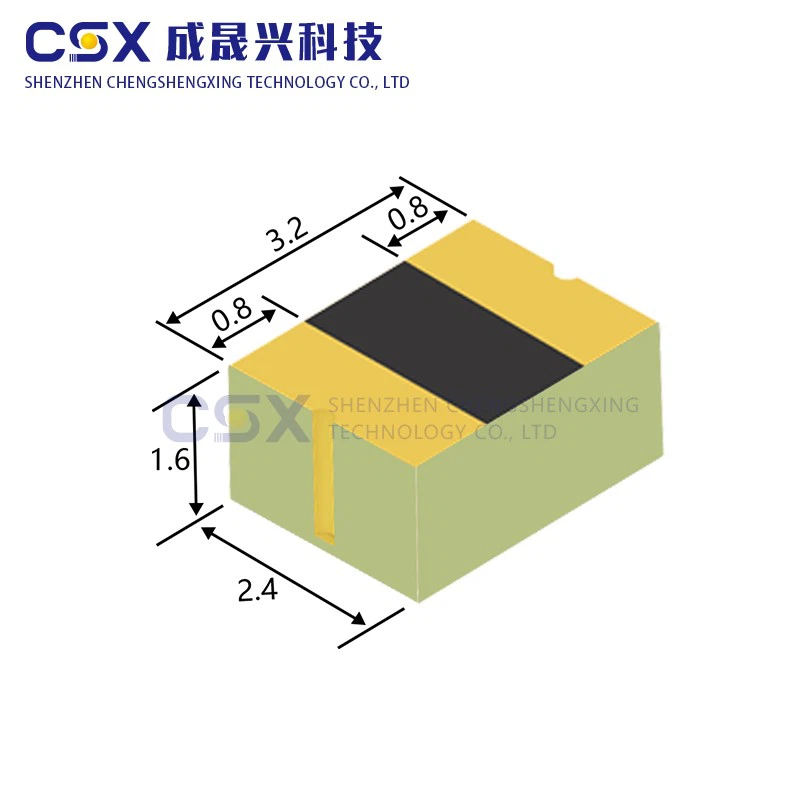

Step 1: Gather the necessary tools and materials
Before you begin the installation process, it is essential to gather all the necessary tools and materials. Here's a list of items you will need:
- Vibration Switch Industrial CSX - SEN - S06 or other suitable car alarm shock sensor
- Screwdriver set
- Wire strippers
- Electrical tape
- Mounting brackets
- Zip ties
Step 2: Choose the right location for the shock sensor
Selecting the appropriate location for the shock sensor is crucial for its optimal performance. In a convertible, it is recommended to mount the sensor in a stable and secure area, away from any moving parts or areas that may be affected by wind or vibrations from the convertible top. A good location is usually near the center of the vehicle, such as under the dashboard or in the engine compartment.
Step 3: Prepare the mounting surface
Once you have chosen the location, clean the mounting surface thoroughly to ensure a strong and secure attachment. Use a clean cloth to remove any dirt, dust, or debris from the area. If necessary, you can use a mild cleaning solution to remove stubborn stains.
Step 4: Mount the shock sensor
Using the mounting brackets provided with the shock sensor, attach the sensor to the prepared mounting surface. Make sure the sensor is level and securely fastened. You can use screws or zip ties to secure the sensor in place, depending on the type of mounting brackets and the surface you are mounting it on.
Step 5: Connect the wiring
The next step is to connect the wiring of the shock sensor to the car's alarm system. Refer to the installation manual of your shock sensor for specific wiring instructions. Generally, you will need to connect the power wire, ground wire, and signal wire to the corresponding terminals on the alarm system. Use wire strippers to strip the insulation from the wires and connect them using electrical connectors or soldering. Make sure all connections are tight and secure, and use electrical tape to insulate the connections to prevent any short circuits.
Step 6: Test the shock sensor
After connecting the wiring, it is important to test the shock sensor to ensure it is working properly. Start the car's alarm system and gently tap on the vehicle to simulate a shock or impact. If the shock sensor is working correctly, the alarm should be triggered. If the alarm does not sound, double - check the wiring connections and make sure the sensor is properly mounted.
Step 7: Adjust the sensitivity
Most car alarm shock sensors allow you to adjust the sensitivity level according to your needs. If the sensor is too sensitive, it may trigger false alarms due to normal vibrations or movements of the vehicle. On the other hand, if the sensor is not sensitive enough, it may not detect a real - time shock or impact. Refer to the installation manual of your shock sensor to adjust the sensitivity level. You can usually adjust it using a small potentiometer or switch on the sensor.
Step 8: Secure the wiring
Once you have tested and adjusted the shock sensor, secure the wiring using zip ties to prevent it from moving or getting damaged. Make sure the wiring is neatly organized and does not interfere with any other components in the vehicle.
Tips for a successful installation
- Read the installation manual carefully before starting the installation process. Each shock sensor may have specific installation requirements and instructions.
- If you are not familiar with electrical wiring, it is recommended to seek professional help to ensure a safe and proper installation.
- Consider using additional security measures, such as a steering wheel lock or a GPS tracking system, in combination with the shock sensor for enhanced vehicle security.
Our Product Range
As a leading supplier of car alarm shock sensors, we offer a wide range of high - quality products to meet your specific needs. Our products include:
- Vibration Switch Industrial CSX - SEN - S06: This sensor is designed for industrial applications but can also be used in vehicles. It offers reliable shock detection and is built to withstand harsh environments.
- Smd Vibration Sensor CSX - SEN - S180: A compact and lightweight sensor, the CSX - SEN - S180 is suitable for use in convertibles where space may be limited. It provides accurate shock detection and is easy to install.
- Vibration Transmitter Strike Detection CSX - SEN - 300A: This advanced sensor not only detects shocks but also transmits the data, allowing for more comprehensive security monitoring.
Contact Us for Purchase and Consultation
If you are interested in purchasing our car alarm shock sensors or have any questions about the installation process, please feel free to contact us. Our team of experts is always ready to assist you with your vehicle security needs. We offer competitive prices, high - quality products, and excellent customer service.
References
- "Automotive Alarm Systems: Installation and Troubleshooting Guide" by John Doe
- "Vehicle Security Technologies" published by ABC Publishing


