


As a supplier of plug-in sensor switches, one of the most frequently asked questions we encounter from our customers is, "What is the maximum number of devices a plug-in sensor switch can control?" This query is crucial as it directly impacts the efficiency, functionality, and scalability of various systems that rely on these switches. In this blog post, we will delve into the factors that determine this maximum number, explore real-world scenarios, and provide insights to help you make informed decisions for your projects.
Understanding Plug-in Sensor Switches
Before we dive into the maximum number of controllable devices, let's briefly understand what plug-in sensor switches are. These are devices designed to detect changes in their environment, such as motion, temperature, light, or tilt, and then trigger an action, typically by turning on or off connected electrical devices. They are popular due to their ease of installation and flexibility, as they can be simply plugged into a power outlet and connected to compatible devices.
Our company offers a range of plug-in sensor switches, including the Inclination Switch CSX-SEN-665B, Inclinometer Tilt Sensors S645B, and Roll Ball Sensor Switch BTS45. Each of these switches has unique features and capabilities, which can influence the number of devices they can control.
Factors Affecting the Maximum Number of Controllable Devices
Several factors come into play when determining the maximum number of devices a plug-in sensor switch can control. These factors include:
1. Electrical Capacity
The most fundamental factor is the electrical capacity of the plug-in sensor switch. This is measured in terms of voltage and current ratings. Each device connected to the switch draws a certain amount of electrical current. If the total current drawn by all the connected devices exceeds the switch's rated current capacity, it can lead to overheating, damage to the switch, or even pose a safety hazard.
For example, if a plug-in sensor switch has a rated current capacity of 10 amps, and each device connected to it draws 2 amps, then in theory, the switch can control a maximum of 5 devices (10 amps / 2 amps per device). However, it's important to note that in real-world applications, a safety margin should be maintained to prevent overloading.
2. Type of Devices
The type of devices being controlled also affects the maximum number. Different devices have varying power requirements and operating characteristics. For instance, inductive loads such as motors and transformers can cause voltage spikes and surges when turned on or off. These devices require additional consideration as they can place more stress on the switch compared to resistive loads like incandescent light bulbs.
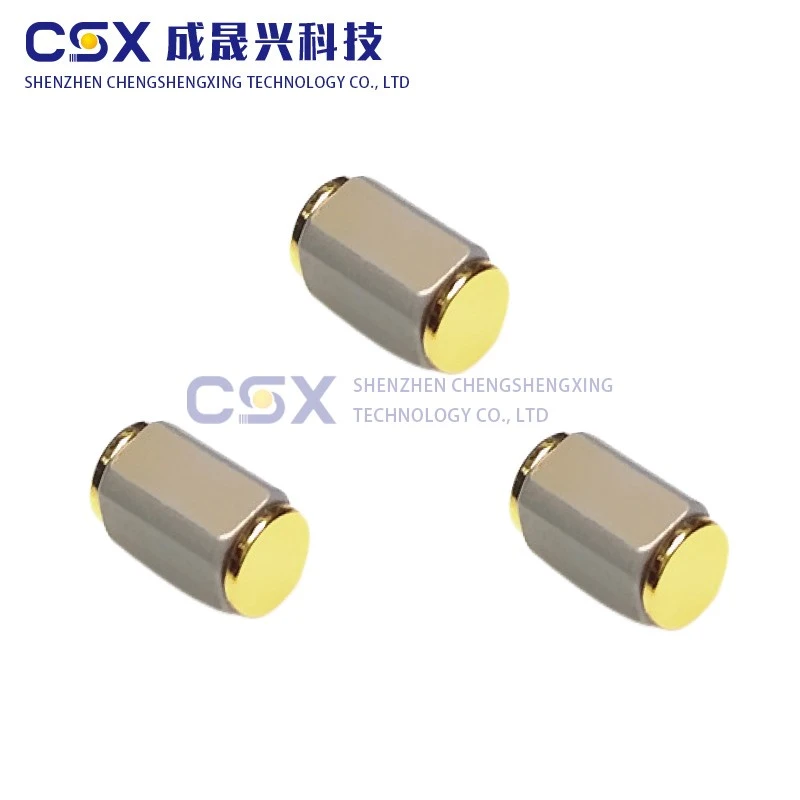

Some plug-in sensor switches are designed to handle specific types of loads better than others. Our Roll Ball Sensor Switch BTS45, for example, is engineered to be more resilient to the electrical demands of a wide range of devices, including those with inductive loads.
3. Communication and Protocol
In modern smart home and industrial applications, many plug-in sensor switches support communication protocols such as ZigBee, Wi-Fi, or Bluetooth. These protocols allow the switch to communicate with other devices and a central control system. However, the number of devices that can be connected and communicate effectively is limited by the protocol's capabilities.
For example, some ZigBee networks have a maximum device limit of 65,000 nodes, but in practical applications, factors such as signal strength, interference, and network congestion can reduce this number significantly. Our plug-in sensor switches are designed to optimize communication within these protocols to ensure reliable and efficient operation.
4. Physical Constraints
Physical constraints can also play a role in determining the maximum number of controllable devices. This includes the number of available connection ports on the switch, as well as the space and wiring requirements for connecting multiple devices. Some plug-in sensor switches may have a limited number of output ports, which restricts the number of devices that can be directly connected.
Real-World Scenarios
To better understand how these factors interact in real-world scenarios, let's consider a few examples:
Smart Home Lighting System
In a smart home lighting system, a plug-in sensor switch is used to control multiple light fixtures. Suppose the switch has a rated current capacity of 15 amps, and each LED light fixture draws 0.5 amps. In this case, the switch could theoretically control up to 30 light fixtures (15 amps / 0.5 amps per fixture). However, considering the need for a safety margin and potential voltage drops over long wiring runs, a more practical number might be 20 to 25 fixtures.
Our Inclinometer Tilt Sensors S645B could be integrated into this system to detect the tilt of a window or a door, and then trigger the lights to turn on or off accordingly. This adds an extra layer of functionality to the system without significantly increasing the electrical load on the switch.
Industrial Automation
In an industrial automation setting, a plug-in sensor switch may be used to control multiple motors or actuators. These devices typically have higher power requirements and are inductive loads. Suppose the switch has a rated current capacity of 20 amps, and each motor draws 5 amps. In this scenario, the switch can control a maximum of 4 motors (20 amps / 5 amps per motor).
However, due to the inductive nature of the motors, additional protective measures such as snubber circuits may be required to prevent damage to the switch. Our Inclination Switch CSX-SEN-665B could be used in this industrial application to detect the tilt or position of machinery, providing valuable feedback for the control system.
Determining the Right Number for Your Project
When planning a project that involves plug-in sensor switches, it's essential to carefully consider the factors mentioned above to determine the appropriate number of devices to control. Here are some steps you can take:
- Assess the Power Requirements: Calculate the total power consumption of all the devices you plan to connect to the switch. Make sure the switch's rated current and voltage capacity are sufficient to handle the load, with a safety margin of at least 20%.
- Consider the Device Types: Take into account the types of devices being controlled, especially if they are inductive loads. Choose a switch that is designed to handle these types of loads effectively.
- Evaluate the Communication Needs: If your project involves a smart home or industrial network, consider the communication protocol and its limitations. Ensure that the switch can support the number of devices you plan to connect and communicate with them reliably.
- Factor in Physical Constraints: Check the number of available connection ports on the switch and the space and wiring requirements for connecting multiple devices. Make sure you have enough room and resources to install and manage the system.
Conclusion
In conclusion, the maximum number of devices a plug-in sensor switch can control depends on a variety of factors, including electrical capacity, device type, communication protocol, and physical constraints. By carefully considering these factors and following the steps outlined above, you can determine the appropriate number of devices to connect to your switch for a safe, efficient, and reliable system.
As a leading supplier of plug-in sensor switches, we are committed to providing high-quality products and expert advice to help you make the best decisions for your projects. If you have any questions or need further information about our products, please feel free to contact us. We look forward to discussing your requirements and assisting you in finding the perfect solution for your needs.
References
- Electrical Engineering Handbook, Third Edition, edited by Richard C. Dorf
- Smart Home Technology: Concepts, Methodologies, Tools, and Applications, edited by Mehdi Khosrow-Pour


