


Measuring the tilt of a rotating object is a crucial task in many industrial, scientific, and engineering applications. Whether it's for monitoring the orientation of a robotic arm, ensuring the stability of a construction crane, or analyzing the movement of a vehicle, the ability to accurately measure tilt is essential. Inclinometer tilt sensors are the go-to devices for this purpose, offering high precision, reliability, and versatility. As a leading supplier of inclinometer tilt sensors, I'm here to share with you how to effectively measure the tilt of a rotating object using these sensors.
Understanding Inclinometer Tilt Sensors
Before delving into the measurement process, it's important to understand what an inclinometer tilt sensor is and how it works. Inclinometer tilt sensors, also known as tilt meters or clinometers, are devices designed to measure the angle of tilt or inclination of an object relative to the gravitational field. They typically use acceleration sensors, gyroscopes, or a combination of both to detect changes in orientation.
There are two main types of inclinometer tilt sensors: analog and digital. Analog sensors provide a continuous voltage output proportional to the tilt angle, while digital sensors offer a digital output that can be easily interfaced with microcontrollers and other digital devices. The choice between analog and digital sensors depends on the specific requirements of your application, such as the level of accuracy needed, the type of control system being used, and the environmental conditions.
Mounting the Inclinometer Tilt Sensor
The first step in measuring the tilt of a rotating object is to properly mount the inclinometer tilt sensor. The sensor should be mounted securely on the rotating object in a location that is representative of the overall tilt. It's important to ensure that the sensor is mounted parallel to the axis of rotation or the plane of interest to obtain accurate measurements.
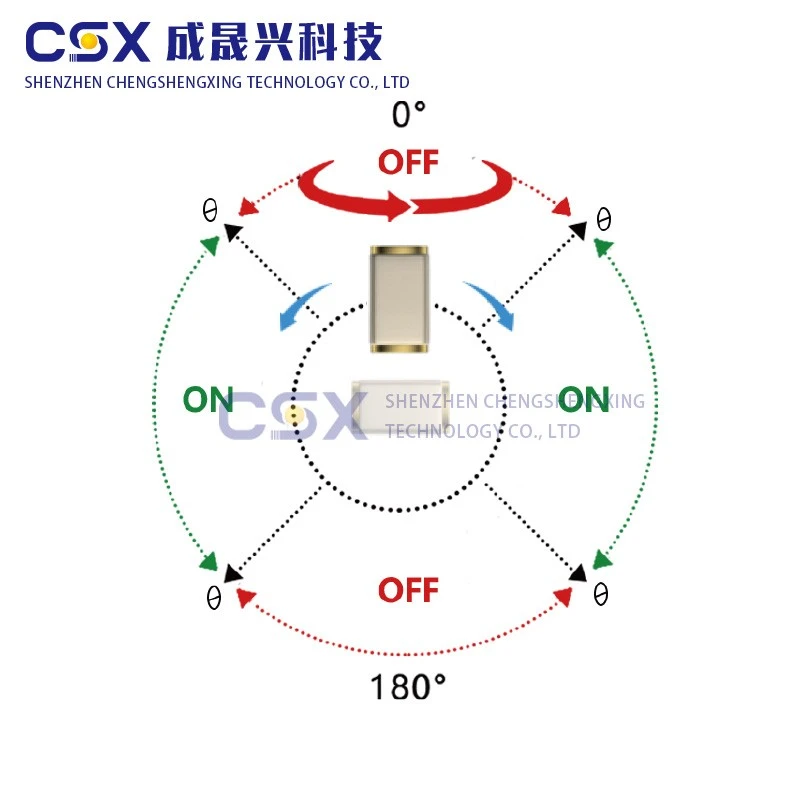
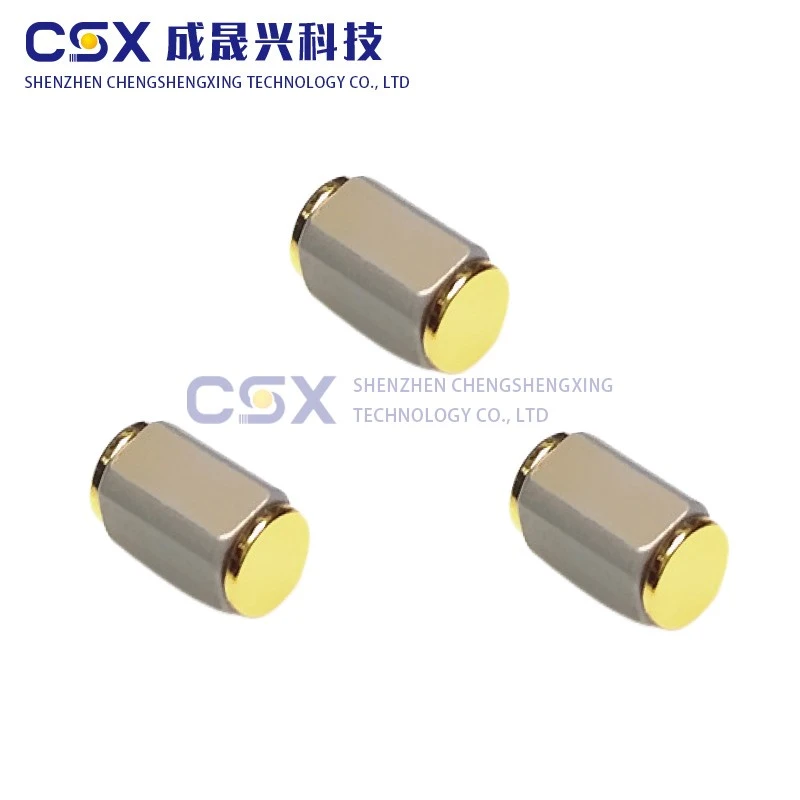
Here are some key points to consider when mounting the inclinometer tilt sensor:
- Surface Preparation: The mounting surface should be clean, flat, and free of any debris or irregularities. This will ensure a stable and accurate installation.
- Alignment: The sensor should be aligned with the reference axis or plane of the rotating object. This can be done using a level or other alignment tools.
- Fastening: Use appropriate fasteners, such as screws or adhesives, to secure the sensor to the mounting surface. Make sure the fasteners are tightened to the recommended torque to prevent any movement or vibration.
Calibrating the Inclinometer Tilt Sensor
Once the sensor is mounted, the next step is to calibrate it. Calibration is the process of adjusting the sensor's output to ensure that it accurately reflects the actual tilt angle. This is important because the sensor's output may be affected by factors such as temperature, humidity, and mechanical stress.
The calibration process typically involves the following steps:
- Zeroing: Set the sensor to its zero position, which corresponds to a tilt angle of 0 degrees. This can be done by placing the rotating object in a horizontal position and adjusting the sensor's output to read 0 degrees.
- Span Calibration: Measure the sensor's output at known tilt angles and adjust the calibration parameters to ensure that the output is proportional to the tilt angle. This can be done using a calibration fixture or a reference inclinometer.
- Repeatability Testing: Repeat the calibration process several times to ensure that the sensor's output is consistent and reliable.
Measuring the Tilt of a Rotating Object
With the sensor mounted and calibrated, you're ready to start measuring the tilt of the rotating object. There are two main methods for measuring tilt: static and dynamic.
Static Measurement
Static measurement is used when the rotating object is stationary or moving slowly. In this method, the sensor measures the tilt angle at a single point in time. The measurement can be taken using a data acquisition system or a display unit connected to the sensor.
To perform a static measurement, follow these steps:
- Position the Object: Place the rotating object in the desired position.
- Read the Sensor Output: Record the sensor's output, which corresponds to the tilt angle.
- Repeat the Measurement: Take multiple measurements at different positions to ensure accuracy.
Dynamic Measurement
Dynamic measurement is used when the rotating object is moving rapidly or continuously. In this method, the sensor measures the tilt angle in real-time as the object rotates. The measurement can be taken using a high-speed data acquisition system or a wireless sensor network.
To perform a dynamic measurement, follow these steps:
- Start the Rotation: Begin rotating the object at the desired speed.
- Collect the Data: Use a data acquisition system to collect the sensor's output at regular intervals.
- Analyze the Data: Use software or algorithms to analyze the collected data and determine the tilt angle as a function of time.
Choosing the Right Inclinometer Tilt Sensor
When choosing an inclinometer tilt sensor for your application, there are several factors to consider, including:
- Accuracy: The accuracy of the sensor determines how close the measured tilt angle is to the actual tilt angle. Higher accuracy sensors are typically more expensive but may be required for applications where precision is critical.
- Range: The range of the sensor determines the maximum and minimum tilt angles that can be measured. Choose a sensor with a range that is appropriate for your application.
- Resolution: The resolution of the sensor determines the smallest change in tilt angle that can be detected. Higher resolution sensors provide more detailed measurements but may also be more expensive.
- Response Time: The response time of the sensor determines how quickly it can respond to changes in tilt angle. Faster response time sensors are required for applications where the object is rotating rapidly.
- Environmental Conditions: Consider the environmental conditions in which the sensor will be used, such as temperature, humidity, and vibration. Choose a sensor that is designed to operate in these conditions.
As a supplier of inclinometer tilt sensors, we offer a wide range of products to meet your specific needs. For example, the Omnidirectional Tilt Angle Detection Switch CSX - SEN - 660B is a highly reliable and accurate sensor suitable for a variety of applications. The Inclination Switch CSX - SEN - 665B offers excellent performance in harsh environments, while the Omnidirectional Tilt Disturbance Switch CSX15 is designed for applications where quick response to tilt changes is required.
Conclusion
Measuring the tilt of a rotating object with an inclinometer tilt sensor is a complex but achievable task. By understanding the principles of inclinometer tilt sensors, properly mounting and calibrating the sensor, and choosing the right measurement method and sensor for your application, you can obtain accurate and reliable tilt measurements.
If you're interested in purchasing inclinometer tilt sensors for your project, we invite you to contact us for further information and to start a procurement discussion. Our team of experts is ready to assist you in selecting the most suitable sensors for your specific requirements.
References
- "Inclinometer Handbook", a technical guide published by Sensor Technology Inc.
- "Principles of Measurement in Engineering", a textbook on engineering measurement principles.
- Various research papers on tilt measurement techniques and applications.


