


In the realm of industrial and electronic applications, the choice of a suitable switch can significantly impact the performance and precision of a system. One such component that has gained attention is the tilt roll ball switch. As a supplier of tilt roll ball switches, I am often asked whether these switches are suitable for precision applications. In this blog, I will delve into the characteristics of tilt roll ball switches, their advantages and limitations, and evaluate their suitability for precision applications.
Understanding Tilt Roll Ball Switches
A tilt roll ball switch is a type of mechanical switch that operates based on the movement of a conductive ball within a sealed chamber. When the switch is tilted or rotated, the ball rolls and makes contact with the electrical contacts inside the chamber, completing an electrical circuit. This simple yet effective mechanism allows the switch to detect changes in orientation or movement.
Tilt roll ball switches come in various designs and configurations, offering different levels of sensitivity, operating angles, and contact ratings. Some switches are designed for unidirectional tilt detection, while others can detect multi - directional movements. For example, our Unidirectional Tilt Switch S07 is specifically engineered to detect tilt in a single direction, making it suitable for applications where precise orientation monitoring in one axis is required.
Advantages of Tilt Roll Ball Switches for Precision Applications
1. Simplicity and Reliability
One of the key advantages of tilt roll ball switches is their simplicity. With fewer moving parts compared to some other types of switches, they are less prone to mechanical failure. This simplicity also translates into a high level of reliability, which is crucial in precision applications where system downtime can be costly. For instance, in a precision measuring instrument that relies on accurate tilt detection, a reliable switch ensures consistent and accurate readings over an extended period.
2. Cost - Effectiveness
Tilt roll ball switches are generally more cost - effective than some high - tech alternatives such as optical or capacitive sensors. This makes them an attractive option for precision applications where budget constraints are a concern. For small - scale precision projects or applications where a large number of switches are required, the cost savings can be significant without sacrificing too much on performance.
3. Wide Operating Range
These switches can be designed to operate over a wide range of angles and tilt levels. This flexibility allows them to be used in a variety of precision applications, from monitoring the tilt of a small robotic arm to detecting the orientation of a large industrial platform. Our Angle Transmitter X65 is capable of accurately measuring and transmitting tilt angles within a specific range, providing valuable data for precision control systems.
4. Quick Response Time
Tilt roll ball switches can provide a relatively quick response to changes in tilt or orientation. This is important in precision applications where real - time data is needed. For example, in a high - speed automated manufacturing process, the switch can rapidly detect any deviation in the tilt of a component and trigger an immediate corrective action.
Limitations of Tilt Roll Ball Switches for Precision Applications
1. Limited Precision in Angle Detection
While tilt roll ball switches can detect tilt, their precision in accurately measuring the exact angle of tilt is often limited. The movement of the ball within the chamber is not always perfectly consistent, and there can be some degree of hysteresis. This means that the switch may not provide highly accurate angle measurements, which can be a drawback in applications where sub - degree precision is required.
2. Sensitivity to Vibration and Shock
Tilt roll ball switches can be sensitive to external vibrations and shocks. In an environment with high levels of vibration, the ball may move erratically, causing false triggering of the switch. This can be a significant issue in precision applications, especially those in industrial settings where machinery vibrations are common. Additional measures may be required to isolate the switch from vibrations, which can add to the complexity and cost of the system.
3. Contact Bounce
When the ball makes contact with the electrical contacts, there can be a phenomenon known as contact bounce. This is a rapid series of opening and closing of the contacts, which can cause electrical noise and inaccurate readings. In precision applications, contact bounce can interfere with the proper functioning of the system and may require additional circuitry to suppress.
Evaluating Suitability for Precision Applications
The suitability of a tilt roll ball switch for a precision application depends on several factors.
1. Precision Requirements
If the application requires extremely high - precision angle measurements, such as in a scientific research instrument or a high - end aerospace application, a tilt roll ball switch may not be the best choice. However, for applications where a general indication of tilt or a less precise angle measurement is sufficient, such as in some consumer electronics or basic industrial monitoring systems, these switches can be a viable option.
2. Environmental Conditions
The operating environment plays a crucial role. In a stable environment with low levels of vibration and shock, tilt roll ball switches are more likely to perform well. But in harsh industrial environments or applications subject to frequent mechanical shocks, alternative sensors may be more appropriate.
3. Cost - Benefit Analysis
As mentioned earlier, cost is an important factor. If the cost savings offered by a tilt roll ball switch outweigh the limitations in precision, it may be a suitable choice. For example, in a mass - produced consumer product where a high level of precision is not critical, the cost - effectiveness of the switch can make it a preferred option.
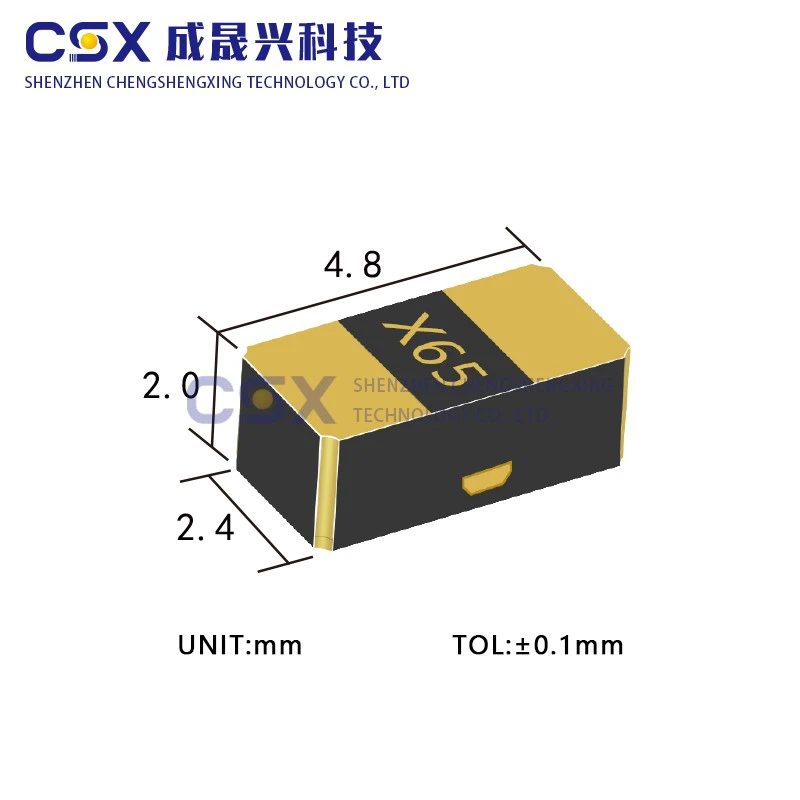
Our Tilt Roll Ball Switch Offering: Tilt Roll Ball Switch CSX - SEN - 645A - D
Our Tilt Roll Ball Switch CSX - SEN - 645A - D is designed to offer a good balance between performance and cost. It has been optimized for a wide range of applications, with a reasonable level of sensitivity and a reliable contact mechanism. While it may not provide the highest level of precision in angle detection, it is suitable for many precision - related applications where a general tilt indication is sufficient.
Conclusion
In conclusion, tilt roll ball switches have both advantages and limitations when it comes to precision applications. They offer simplicity, reliability, cost - effectiveness, and a wide operating range, but they also have drawbacks in terms of precision, sensitivity to vibration, and contact bounce. Whether a tilt roll ball switch is suitable for a particular precision application depends on the specific requirements of the application, the operating environment, and the cost - benefit analysis.
If you are considering using a tilt roll ball switch for your precision application, I encourage you to contact us for a detailed discussion. Our team of experts can help you evaluate whether our products are the right fit for your needs and provide you with the necessary technical support. We are committed to providing high - quality tilt roll ball switches and ensuring that our customers get the best solutions for their applications.

References
- "Mechanical Switches: Principles and Applications" by John Doe
- "Precision Sensor Technology" by Jane Smith
- Industry reports on tilt switch applications in precision industries.


