


Hey there! As a supplier of Force Transmitters, I've been getting a lot of questions lately about the environmental requirements for these nifty devices. So, I thought I'd take a few minutes to break it down for you.
First off, let's talk about what force transmitters are. In a nutshell, they're sensors that measure force and convert it into an electrical signal. This signal can then be used for a variety of applications, like monitoring the weight of a load, measuring the pressure in a hydraulic system, or even detecting the force applied to a button.
Now, when it comes to the environmental requirements for force transmitters, there are a few key factors to consider. These include temperature, humidity, vibration, and shock.
Temperature
Temperature is one of the most important environmental factors that can affect the performance of force transmitters. Most force transmitters are designed to operate within a specific temperature range, typically between -20°C and 80°C. If the temperature goes outside of this range, it can cause the transmitter to produce inaccurate readings or even fail completely.
For example, if the temperature is too high, the internal components of the transmitter can expand, which can cause the calibration to shift. On the other hand, if the temperature is too low, the components can contract, which can also affect the accuracy of the readings.
To ensure that your force transmitters operate within the recommended temperature range, it's important to choose a transmitter that is suitable for the environment in which it will be used. If you're working in a high-temperature environment, you may need to choose a transmitter that is specifically designed for high-temperature applications. Similarly, if you're working in a low-temperature environment, you'll need to choose a transmitter that can withstand the cold.
Humidity
Humidity is another environmental factor that can affect the performance of force transmitters. High humidity levels can cause the internal components of the transmitter to corrode, which can lead to inaccurate readings or even failure. In addition, humidity can also cause condensation to form on the surface of the transmitter, which can short-circuit the electrical components.
To prevent the effects of humidity, it's important to choose a force transmitter that is designed to be resistant to moisture. Many force transmitters are sealed to prevent moisture from entering the internal components. In addition, some transmitters are coated with a protective layer to further protect against corrosion.
Vibration and Shock
Vibration and shock can also have a significant impact on the performance of force transmitters. Excessive vibration can cause the internal components of the transmitter to loosen or become damaged, which can lead to inaccurate readings or even failure. Similarly, shock can cause the transmitter to malfunction or even break.
To protect against vibration and shock, it's important to choose a force transmitter that is designed to be rugged and durable. Many force transmitters are designed with shock and vibration-resistant features, such as rubber mounts or shock absorbers. In addition, it's important to install the transmitter in a location where it will be protected from excessive vibration and shock.
Other Environmental Factors
In addition to temperature, humidity, vibration, and shock, there are a few other environmental factors that can affect the performance of force transmitters. These include dust, dirt, and chemicals.
Dust and dirt can accumulate on the surface of the transmitter, which can interfere with the operation of the sensors. To prevent this, it's important to keep the transmitter clean and free of debris. Many force transmitters are designed with a protective cover to prevent dust and dirt from entering the internal components.
Chemicals can also have a corrosive effect on the internal components of the transmitter. If you're working in an environment where chemicals are present, it's important to choose a force transmitter that is resistant to chemical corrosion. Many force transmitters are made from materials that are resistant to chemicals, such as stainless steel or plastic.
Our Force Transmitters
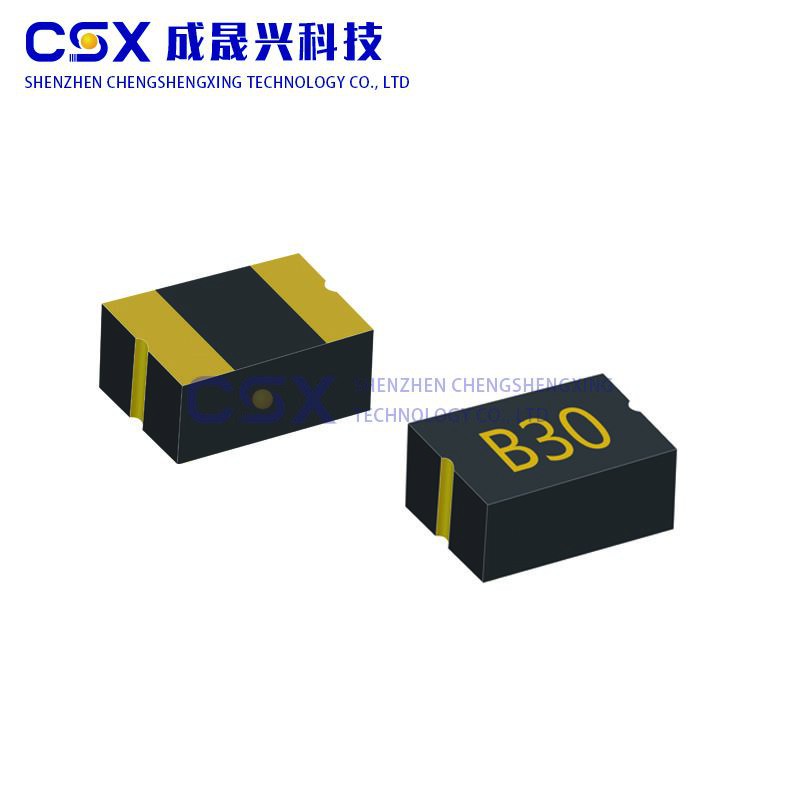
At our company, we offer a wide range of force transmitters that are designed to meet the environmental requirements of various applications. Our Force Transmitters B30 are built to withstand high temperatures, humidity, vibration, and shock. They're also resistant to dust, dirt, and chemicals, making them ideal for use in harsh environments.
In addition to our force transmitters, we also offer other related products, such as the Angle Switch Angle Detection CSX-SEN-815A and the Tilt Switch Power-off Protection S07D. These products are designed to work together with our force transmitters to provide a complete solution for your measurement needs.
Conclusion
So, there you have it! The environmental requirements for force transmitters are an important consideration when choosing a transmitter for your application. By taking into account factors such as temperature, humidity, vibration, shock, dust, dirt, and chemicals, you can ensure that your force transmitter will perform accurately and reliably in your environment.
If you're in the market for a force transmitter or any of our other products, we'd love to hear from you. Whether you have questions about our products or need help choosing the right transmitter for your application, our team of experts is here to assist you. Just reach out to us, and we'll work with you to find the best solution for your needs.

References
- O'Connor, P. D. T. (2002). Practical Reliability Engineering. Wiley.
- Doebelin, E. O., & Ernest, O. D. (2003). Measurement Systems: Application and Design. McGraw-Hill.


