


Force transmitters are essential devices in many industries, used to measure force and convert it into an electrical signal. As a force transmitters supplier, I often get asked about the different output signals these transmitters can provide. In this blog post, I'll break down the most common output signals of force transmitters, explain how they work, and talk about the pros and cons of each.
Voltage Output
One of the simplest and most common output signals for force transmitters is voltage output. In a voltage output system, the force applied to the transmitter is converted into a proportional voltage. For instance, if you have a force transmitter with a voltage output range of 0 - 10 volts, a low force might result in an output of 1 volt, while a high force could give an output of 9 volts.
The main advantage of voltage output is its simplicity. It's easy to measure and can be directly connected to devices like multimeters or data acquisition systems. However, it does have some drawbacks. Voltage signals are susceptible to noise and can be affected by long cable runs. This means that if your force transmitter needs to be placed far from the monitoring equipment, the voltage signal might degrade, leading to inaccurate readings.
Current Output
Another popular option is current output, typically in the form of a 4 - 20 mA signal. In a 4 - 20 mA system, 4 mA represents the minimum force on the transmitter, and 20 mA represents the maximum force. For example, if your force transmitter has a range of 0 - 1000 Newtons, 4 mA could correspond to 0 Newtons, and 20 mA to 1000 Newtons.
The big plus of current output is its immunity to noise and cable resistance. Unlike voltage signals, current signals remain relatively stable over long distances. This makes them ideal for industrial applications where the force transmitter might be placed far from the control room. However, current output systems are a bit more complex and require a power supply to drive the signal.
Digital Output
In recent years, digital output has become increasingly popular for force transmitters. Digital signals are sent in a binary format, which means they can carry more information and are less prone to interference compared to analog signals (voltage and current).
One common digital output protocol is Modbus. Modbus allows the force transmitter to communicate with other devices on a network, such as programmable logic controllers (PLCs) or computers. This enables real - time monitoring and control of the force measurement.

The benefits of digital output are significant. It provides high accuracy, easy integration with other systems, and the ability to transmit multiple parameters at once. However, it also requires more complex setup and configuration. You need to ensure that all devices on the network support the same digital protocol.
Frequency Output
Some force transmitters use frequency output. In a frequency output system, the force applied to the transmitter is converted into a corresponding frequency. For example, a low force might result in a frequency of 100 Hz, while a high force could give a frequency of 1000 Hz.
Frequency output has the advantage of being relatively immune to electrical noise, similar to current output. It can also be used to directly interface with some control systems that are designed to work with frequency signals. However, frequency output devices can be more expensive, and interpreting the frequency values requires specific knowledge.
Pulse Output
Pulse output is another form of digital output. In a pulse output system, the force transmitter generates a series of pulses, where the number of pulses is proportional to the force applied. For example, if you apply a small force, you might get 10 pulses per second, while a large force could result in 100 pulses per second.
Pulse output is useful for applications where you need to count or measure the force in discrete units. It's often used in conveyor systems or weighing scales where the force is measured incrementally. However, like other digital outputs, it requires proper configuration and compatibility with the receiving device.
Choosing the Right Output Signal
When choosing a force transmitter for your application, the output signal is a critical factor. You need to consider the distance between the transmitter and the monitoring equipment, the level of accuracy required, the type of control system you have, and your budget.
For short - distance applications where simplicity is key, voltage output might be the best choice. If you need to transmit the signal over long distances without significant degradation, current output is a great option. Digital outputs are ideal for complex systems that require high - accuracy and real - time data transfer.
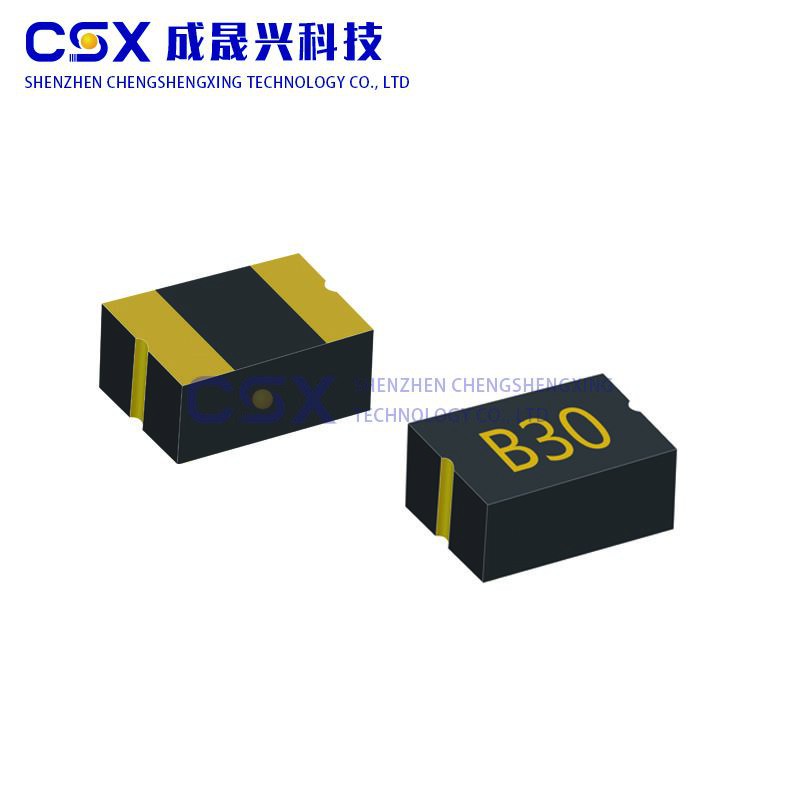
As a force transmitters supplier, we offer a wide range of products to meet different needs. For example, our Force Transmitters B30 come with multiple output signal options, allowing you to choose the one that suits your application best.
We also have related products like the Tilt Switch Power - off Protection S07D and the Angle Switch Angle Detection CSX - SEN - 815A that can complement your force measurement setup.
If you're in the market for force transmitters or have any questions about output signals, don't hesitate to reach out. We're here to help you find the perfect solution for your specific needs. Whether you're a small - scale manufacturer or a large industrial plant, we can provide you with high - quality force transmitters and expert advice.
References
- "Industrial Instrumentation and Control Systems" by Bela Liptak
- "Measurement, Instrumentation, and Sensors Handbook" by John G. Webster


