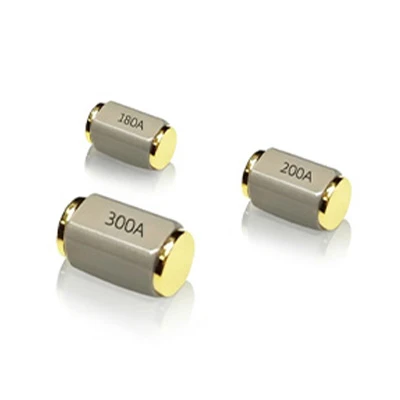
In the dynamic world of sports equipment manufacturing, the integration of special sensors has revolutionized the way athletes train, compete, and interact with their gear. As a leading supplier of special sensors, we are at the forefront of providing cutting - edge solutions that enhance the performance, safety, and functionality of sports equipment. This blog will explore some of the special sensors used in sports equipment manufacturing and how they are shaping the future of the industry.
1. Tilt and Angle Sensors
Tilt and angle sensors are crucial in many sports, especially those involving balance and orientation. For instance, in gymnastics, accurate measurement of body angles can help coaches and athletes analyze routines and improve performance. Our Tilt Switch Angle Sensor S45 is an excellent example of such a sensor. It offers high - precision angle detection, which can be integrated into gymnastic equipment like balance beams and uneven bars.
In snowboarding and skiing, tilt sensors can be used in boots or helmets. These sensors can measure the incline of the slope, the angle of the board or skis, and the orientation of the athlete's head. By providing real - time feedback, they help athletes adjust their technique, reducing the risk of injuries and improving their overall performance. Our tilt sensors are designed to be compact, durable, and highly sensitive, making them ideal for use in extreme sports environments.
2. Inductive Safety Switches
Safety is a top priority in sports, and inductive safety switches play a vital role in preventing accidents. In contact sports such as football and rugby, equipment like helmets and shoulder pads can be fitted with Inductive Safety Switches CSX - SEN - 360T - 45. These switches can detect abnormal impacts and send signals to a monitoring device.
For example, if a player receives a severe blow to the head, the inductive safety switch can detect the force and magnitude of the impact. Coaches and medical staff can then be immediately alerted, allowing for quick assessment and treatment of potential injuries. In addition, these switches can be used in sports facilities, such as gyms and arenas, to ensure the safety of equipment like weightlifting machines and exercise bikes. If a machine malfunctions or experiences an abnormal load, the inductive safety switch can trigger an emergency stop, preventing accidents.
3. Position Detecting Tilt Sensors
Position detecting tilt sensors are used to accurately determine the position of an object or a person in space. In sports like archery, these sensors can be integrated into the bow to measure the angle and position of the bow during the aiming process. Our Position Detecting Tilt Sensor CSX90 provides extremely accurate position data, which can assist archers in achieving more consistent and precise shots.
In team sports like basketball and soccer, position detecting tilt sensors can be used in smart balls. These sensors can track the trajectory, spin, and position of the ball, providing valuable data for coaches and players. Analyzing this data can help teams develop better strategies, improve passing accuracy, and enhance overall game performance.
4. Pressure Sensors
Pressure sensors are widely used in sports footwear and equipment. In running shoes, for example, pressure sensors can measure the distribution of pressure on the sole of the foot. This data can be used to design shoes that provide better support and cushioning, reducing the risk of injuries such as plantar fasciitis and stress fractures.
In sports like rowing, pressure sensors can be installed on the oars. By measuring the pressure exerted by the rower on the oar, coaches can analyze the efficiency of the rowing stroke. This information can be used to optimize the training program and improve the performance of the rowing team.
5. Motion Sensors
Motion sensors are essential for tracking the movement and activity of athletes. In fitness trackers and smartwatches, motion sensors can monitor the number of steps, distance traveled, and calories burned. In sports equipment, motion sensors can provide more detailed information about the athlete's movement.
For example, in baseball, motion sensors can be installed on bats and gloves. The sensors can track the speed, acceleration, and trajectory of the bat during a swing, as well as the movement of the glove during a catch. This data can help players improve their technique, coaches assess player performance, and managers evaluate the effectiveness of training programs.
6. Temperature and Humidity Sensors
Temperature and humidity sensors are important for maintaining the optimal performance and durability of sports equipment. In tennis, for example, the strings of a racket can be affected by temperature and humidity. High humidity can cause the strings to absorb moisture, which can change their tension and affect the performance of the racket. Temperature and humidity sensors can monitor the environmental conditions and provide alerts when adjustments are needed.
In outdoor sports fields, these sensors can be used to monitor the conditions of the turf. Extreme temperatures or high humidity can affect the growth and quality of the grass, and timely intervention can ensure that the field remains in good condition for play.
Benefits of Using Special Sensors in Sports Equipment
- Performance Enhancement: Special sensors provide athletes with valuable data about their performance, allowing them to identify areas for improvement and develop more effective training strategies.
- Safety Improvement: Sensors such as inductive safety switches and pressure sensors can detect potential safety hazards and prevent accidents, protecting athletes from injuries.
- Equipment Optimization: By monitoring parameters like temperature, humidity, and pressure, sensors can help manufacturers design and maintain sports equipment that performs better and lasts longer.
- Data - Driven Decision Making: Coaches and sports managers can use the data collected by sensors to make informed decisions about player selection, training programs, and game strategies.
Conclusion
The use of special sensors in sports equipment manufacturing is a game - changer. As technology continues to advance, we can expect to see even more innovative applications of sensors in sports. At [supplier's implied identity], we are committed to developing and providing the highest - quality special sensors to meet the evolving needs of the sports industry.
If you are in the sports equipment manufacturing business and are interested in incorporating our special sensors into your products, we invite you to contact us for a detailed discussion. Our team of experts will work closely with you to understand your requirements and provide customized solutions that will take your products to the next level.


References
- "Advanced Sensor Technologies for Sports Applications" - IEEE Transactions on Instrumentation and Measurement
- "Impact of Sensor Technology on Sports Performance and Safety" - Journal of Sports Engineering and Technology
- "Sensor - Enabled Sports Equipment: Design, Development, and Applications" - Proceedings of the International Conference on Sports Technology