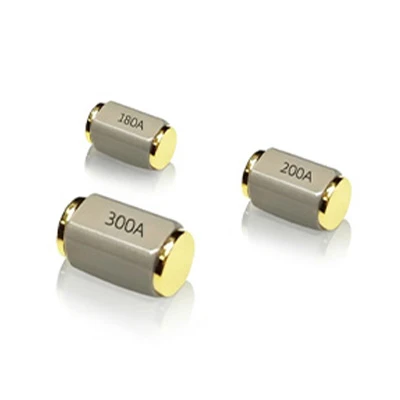
Hey there! As a supplier of rotation sensor switches, I often get asked about the sensitivity of these nifty devices. So, let's dive right in and explore what the sensitivity of a rotation sensor switch really means.


First off, what is a rotation sensor switch? Well, it's a device that can detect changes in rotation or tilt. These switches are used in a wide range of applications, from industrial machinery to consumer electronics. They're super handy for things like detecting when a device is tilted, rotated, or even shaken.
Now, let's talk about sensitivity. Sensitivity in a rotation sensor switch refers to how easily it can detect changes in rotation or tilt. A highly sensitive switch will detect even the slightest movement, while a less sensitive switch will require a more significant change in position to trigger.
The sensitivity of a rotation sensor switch is typically measured in degrees. For example, a switch with a sensitivity of 10 degrees will trigger when the device is tilted or rotated by 10 degrees or more. The lower the sensitivity value, the more sensitive the switch is.
There are a few factors that can affect the sensitivity of a rotation sensor switch. One of the most important factors is the type of sensing mechanism used. There are several different types of rotation sensor switches, including ball switches, mercury switches, and solid-state switches.
Ball switches, like the Roll Ball Sensor Switch BTS45, use a ball that moves inside a chamber to detect changes in tilt. These switches are relatively simple and inexpensive, but they can be less accurate and have a lower sensitivity compared to other types of switches.
Mercury switches use a small amount of mercury inside a glass tube to detect changes in tilt. When the switch is tilted, the mercury moves and completes an electrical circuit, triggering the switch. Mercury switches are highly sensitive and accurate, but they can be hazardous due to the presence of mercury.
Solid-state switches, like the Tilt Switch Angle Sensor S45, use electronic components to detect changes in tilt. These switches are more reliable and have a higher sensitivity compared to ball switches and mercury switches. They're also more expensive, but they're a great option for applications where accuracy and reliability are crucial.
Another factor that can affect the sensitivity of a rotation sensor switch is the orientation of the switch. Some switches are designed to be sensitive in only one direction, while others are omnidirectional and can detect changes in tilt in multiple directions.
The sensitivity of a rotation sensor switch can also be affected by external factors, such as vibration, temperature, and electromagnetic interference. It's important to choose a switch that is designed to operate in the specific environment where it will be used.
So, why is the sensitivity of a rotation sensor switch important? Well, it depends on the application. In some applications, such as gaming controllers or fitness trackers, a high sensitivity switch is required to detect even the slightest movement. In other applications, such as industrial machinery or automotive systems, a lower sensitivity switch may be sufficient.
As a supplier of rotation sensor switches, we offer a wide range of products with different sensitivities to meet the needs of our customers. Our Special Sensors CSX30 is a highly sensitive switch that is ideal for applications where accuracy and reliability are crucial. It's also omnidirectional, which means it can detect changes in tilt in multiple directions.
If you're in the market for a rotation sensor switch, it's important to choose a supplier that offers high-quality products and excellent customer service. At our company, we're committed to providing our customers with the best possible products and support. We have a team of experts who can help you choose the right switch for your application and provide you with technical assistance if needed.
So, if you're interested in learning more about our rotation sensor switches or have any questions about sensitivity or other technical aspects, don't hesitate to contact us. We'd be happy to discuss your needs and help you find the perfect solution for your application.
In conclusion, the sensitivity of a rotation sensor switch is an important factor to consider when choosing a switch for your application. By understanding the different types of switches available and the factors that can affect their sensitivity, you can make an informed decision and choose the switch that is best suited for your needs.
References:
- Manufacturer's specifications for rotation sensor switches
- Industry standards and guidelines for rotation sensor switches
- Technical literature and research on rotation sensor switches