


Force transmitters are versatile devices that play a crucial role in a wide range of industries and applications. As a leading supplier of force transmitters, we understand the significance of these devices and their diverse uses. In this blog post, we will explore the various areas where force transmitters can be effectively utilized.
Industrial Manufacturing
In the industrial manufacturing sector, force transmitters are essential for ensuring the quality and efficiency of production processes. They are used in a variety of applications such as:
- Assembly Line Operations: Force transmitters are used to monitor the force applied during the assembly of components. This helps in ensuring that the correct amount of force is used, preventing over - tightening or under - tightening of parts. For example, in the automotive industry, force transmitters are used to ensure that bolts are tightened to the specified torque, which is critical for the safety and reliability of the vehicle.
- Material Testing: Manufacturers use force transmitters to test the strength and durability of materials. By applying a known force to a sample and measuring the resulting deformation, engineers can determine the material's mechanical properties. This is important for quality control and product development. For instance, a steel manufacturing company can use force transmitters to test the tensile strength of steel bars to ensure they meet industry standards.
- Robotics and Automation: In robotic systems, force transmitters enable the robots to interact with their environment in a more intelligent way. They can sense the force applied to their end - effectors, allowing them to handle delicate objects without damaging them. For example, in pick - and - place operations, robots can use force transmitters to adjust their grip strength based on the object's properties.
Aerospace and Aviation
The aerospace and aviation industries demand high - precision and reliable equipment. Force transmitters are used in several key areas:
- Flight Control Systems: Force transmitters are used to measure the forces acting on flight control surfaces such as ailerons, elevators, and rudders. This data is crucial for ensuring the stability and control of the aircraft. By accurately measuring the forces, pilots and flight control computers can make adjustments to maintain the desired flight path.
- Engine Testing: In aircraft engine testing, force transmitters are used to measure the thrust generated by the engine. This information is used to evaluate the performance of the engine and ensure that it meets the required specifications. Additionally, force transmitters can be used to monitor the forces acting on engine components during operation, helping to detect any potential issues early.
- Structural Testing: Aerospace engineers use force transmitters to test the structural integrity of aircraft components and structures. By applying simulated flight loads, they can determine how the components will perform under real - world conditions. This is essential for ensuring the safety and reliability of the aircraft.
Medical and Healthcare
The medical and healthcare industry also benefits from the use of force transmitters:
- Surgical Instruments: Force transmitters are incorporated into surgical instruments to provide real - time feedback on the force being applied during surgery. This helps surgeons to perform more precise and delicate procedures, reducing the risk of damage to surrounding tissues. For example, in microsurgery, force - sensing scalpels can be used to ensure that the correct amount of force is applied when cutting tissue.
- Prosthetics and Orthotics: In the development of prosthetics and orthotics, force transmitters are used to measure the forces exerted on the devices during use. This data is used to optimize the design and fit of the prosthetics and orthotics, improving the comfort and functionality for the users. For instance, force - sensing insoles can be used to monitor the pressure distribution in the feet of patients with foot problems.
- Medical Equipment Testing: Force transmitters are used to test the performance of medical equipment such as infusion pumps and ventilators. By measuring the forces involved in the operation of these devices, manufacturers can ensure that they are safe and effective for use in healthcare settings.
Construction and Civil Engineering
In the construction and civil engineering fields, force transmitters are used for various purposes:
- Structural Monitoring: Force transmitters are installed in buildings, bridges, and other structures to monitor the forces acting on them. This helps in detecting any signs of structural damage or instability early. For example, in a large - scale bridge, force transmitters can be used to measure the forces in the cables and beams, providing valuable data for maintenance and safety assessment.
- Heavy Machinery: Construction equipment such as cranes, excavators, and loaders use force transmitters to monitor the forces applied during operations. This ensures that the equipment is operating within its safe load limits, preventing accidents and equipment damage. For instance, a crane can use force transmitters to measure the weight of the load being lifted.
- Soil and Foundation Testing: In geotechnical engineering, force transmitters are used to measure the forces in soil and foundations. This data is used to evaluate the stability of the soil and the suitability of the foundation for a particular construction project. For example, force - sensing devices can be used to measure the lateral pressure in the soil around a retaining wall.
Our Product Range
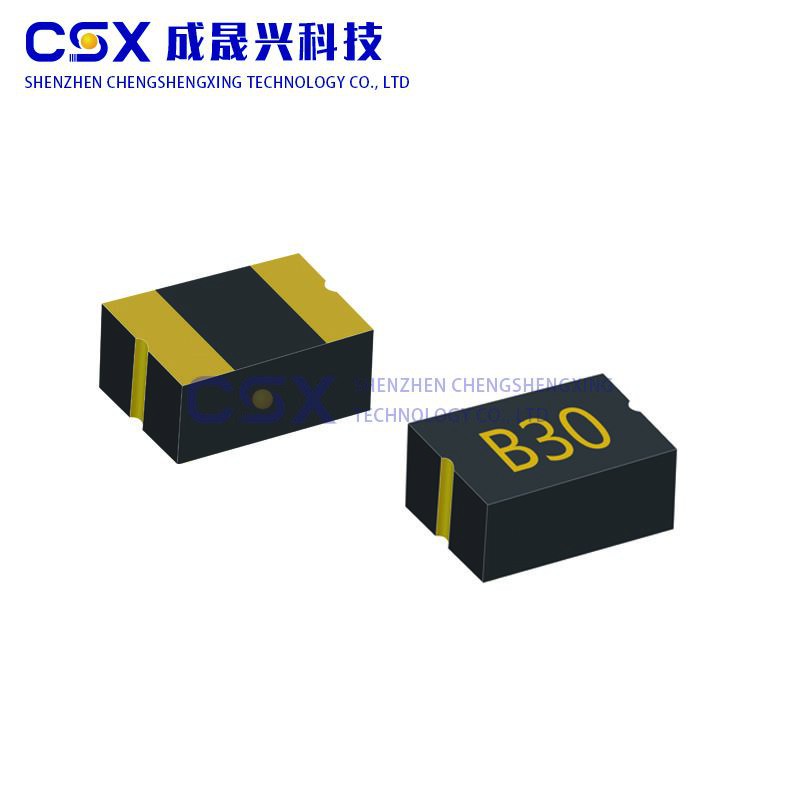
As a reputable supplier, we offer a wide range of high - quality force transmitters. One of our popular products is the Force Transmitters B30. It is designed for high - precision force measurement in various industrial applications. With its advanced technology and reliable performance, it has been widely used in manufacturing, automation, and testing processes.
In addition to force transmitters, we also provide related products such as the Tilt Switch Power - off Protection S07D and the Angle Switch Angle Detection CSX - SEN - 815A. These products can complement the force transmitters in many applications, providing more comprehensive solutions for our customers.
Contact Us for Procurement
If you are in need of force transmitters or related products for your industry or application, we invite you to reach out to us. Our team of experts is dedicated to providing you with the best products and services. Whether you have a small - scale project or a large - scale industrial operation, we can offer customized solutions to meet your specific requirements. We have a proven track record of providing high - quality products and excellent customer support. Contact us today to start the procurement process and take advantage of our top - notch force transmitters and related offerings.

References
- Doebelin, E. O. (2003). Measurement Systems: Application and Design. McGraw - Hill.
- Holman, J. P. (2001). Experimental Methods for Engineers. McGraw - Hill.
- Oppenheim, A. V., & Schafer, R. W. (1999). Discrete - Time Signal Processing. Prentice Hall.


