


Hey there! As a supplier of Shake Switches, I often get asked about compatibility issues. It's a crucial topic because if your Shake Switch isn't compatible with your system, it can lead to all sorts of headaches. So, let's dive right in and explore this subject in detail.
First off, what is a Shake Switch? Simply put, it's a device that detects vibrations or movements. It can be used in a wide range of applications, from industrial machinery to home security systems. When it comes to compatibility, there are a few key factors we need to consider.
Electrical Compatibility
One of the most important aspects of compatibility is electrical compatibility. Different devices have different voltage requirements, current ratings, and signal types. If your Shake Switch doesn't match the electrical specifications of your system, it might not work at all, or it could cause damage to other components.
For example, if your system operates on a 12V power supply, but your Shake Switch requires 24V, you're going to run into problems. The switch might not activate properly, or it could overheat and fail. That's why it's essential to check the electrical specifications of both your system and the Shake Switch before making a purchase.
Another aspect of electrical compatibility is signal compatibility. Some Shake Switches output digital signals, while others output analog signals. You need to make sure that your system can handle the type of signal your switch produces. If your system is designed to work with digital signals, but you install an analog switch, you'll need to use a signal converter to make them compatible.
Mechanical Compatibility
Mechanical compatibility is also a big deal. The size, shape, and mounting options of your Shake Switch need to match the requirements of your system. If the switch is too big or too small, it might not fit properly, or it could interfere with other components.
For instance, if you're installing a Shake Switch in a tight space, you'll need to choose a compact model. On the other hand, if you need to mount the switch on a specific surface, you'll need to make sure it has the appropriate mounting holes or brackets.
Some of our popular products, like the Smd Vibration Sensor CSX - SEN - S180, are designed with mechanical compatibility in mind. They come in a small, surface - mount package, making them ideal for applications where space is limited.
Environmental Compatibility
The environment in which your Shake Switch will operate is another important factor. Different switches are designed to withstand different levels of temperature, humidity, dust, and vibration. If you install a switch in an environment that's too harsh for it, it could fail prematurely.
For example, if you're using a Shake Switch in an industrial setting where there's a lot of dust and debris, you'll need to choose a switch that's dust - resistant. Similarly, if the switch will be exposed to high temperatures, you'll need to select a model that can handle the heat.
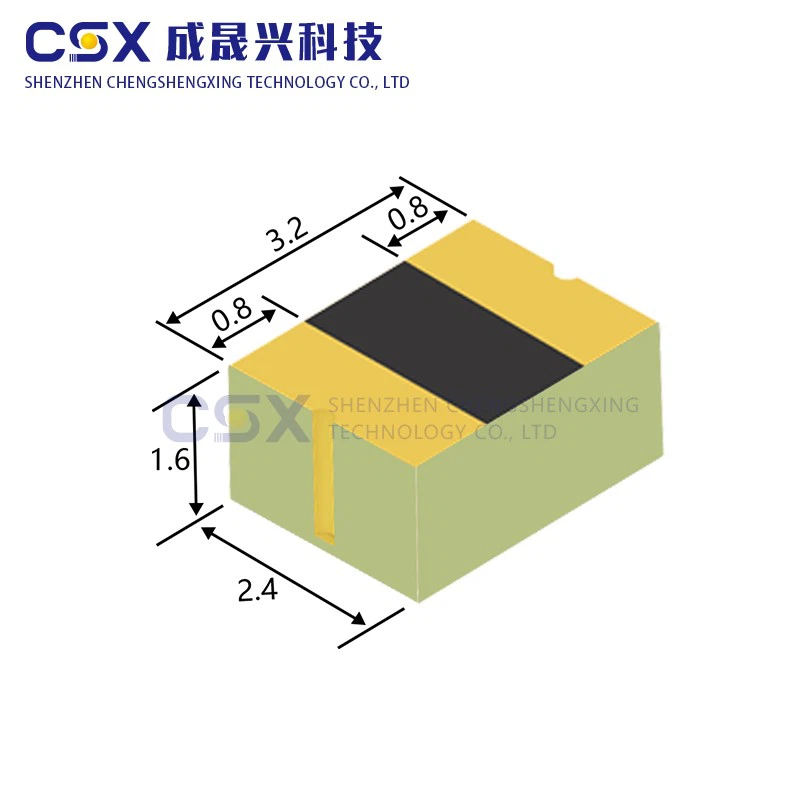

Our Vibration Switch Industrial CSX - SEN - S06 is built to withstand tough industrial environments. It's designed to be dust - proof and can operate in a wide range of temperatures, making it a great choice for industrial applications.
Compatibility with Other Components
Your Shake Switch doesn't operate in isolation. It needs to work in harmony with other components in your system, such as sensors, controllers, and actuators. Compatibility issues between these components can lead to system failures or inaccurate readings.
For example, if your Shake Switch is connected to a sensor that measures temperature, the switch needs to be able to communicate effectively with the sensor. If there's a mismatch in the communication protocols or data formats, the system might not function correctly.
Our Motion Displacement Detection CSX - SEN - S02 is designed to be compatible with a wide range of other components. It uses standard communication protocols, making it easy to integrate into existing systems.
Testing for Compatibility
So, how can you ensure that your Shake Switch is compatible with your system? The best way is to conduct thorough testing. Before installing the switch in your actual system, you can set up a test bench and simulate the operating conditions.
Connect the switch to your system and check if it functions as expected. Monitor the electrical signals, mechanical performance, and environmental factors. If you notice any issues, you can make adjustments or choose a different switch.
Conclusion
In conclusion, compatibility issues with a Shake Switch can be a real pain, but they're not insurmountable. By considering electrical, mechanical, environmental, and component compatibility, and by conducting proper testing, you can ensure that your switch works seamlessly with your system.
If you're in the market for a Shake Switch and have questions about compatibility or any other aspect, don't hesitate to reach out. We're here to help you find the right solution for your needs. Whether you're a small - scale DIY enthusiast or a large - scale industrial operation, we've got the expertise and products to meet your requirements. Let's have a chat and see how we can work together to get your system up and running smoothly.
References
- General knowledge of vibration switch technology and applications.
- Product specifications of Smd Vibration Sensor CSX - SEN - S180, Vibration Switch Industrial CSX - SEN - S06, and Motion Displacement Detection CSX - SEN - S02.


