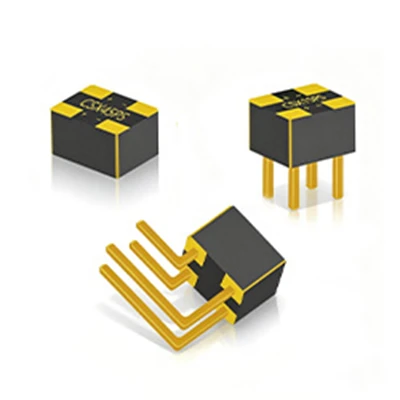
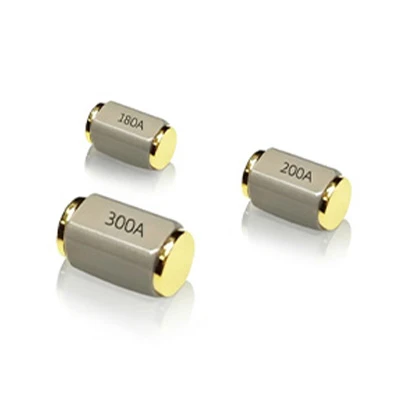
Inductive safety switches are crucial components in various industrial and safety - critical applications. These switches play a vital role in ensuring the safety of equipment, personnel, and the overall operational environment. As a supplier of inductive safety switches, I understand the importance of providing high - quality products that can function effectively under different environmental conditions. In this blog, we will explore the environmental conditions that are essential for the proper operation of inductive safety switches.
Temperature
Temperature is one of the most significant environmental factors that can affect the performance of inductive safety switches. Extreme temperatures can cause the materials within the switch to expand or contract, which may lead to mechanical stress and potentially affect the electrical connections.
High - Temperature Environments
In high - temperature settings, such as found in some industrial ovens or near furnaces, the components of the inductive safety switch can overheat. This overheating can cause the insulation of the electrical wires to degrade, leading to short - circuits or other electrical malfunctions. Additionally, the magnetic properties of the inductive elements can be altered at high temperatures, which may affect the accuracy of the switch's sensing capabilities.
Most inductive safety switches are designed to operate within a specific temperature range. For example, some switches can function properly between - 20°C and 70°C. If the temperature exceeds this range, the switch may not work as expected. As a supplier, we offer switches that are specifically designed for high - temperature environments. These switches are made with heat - resistant materials and have special cooling mechanisms to ensure reliable operation.
Low - Temperature Environments
Low temperatures can also pose challenges for inductive safety switches. At extremely low temperatures, the lubricants used in the mechanical parts of the switch can thicken, causing the moving parts to become stiff. This can prevent the switch from actuating correctly. Moreover, the electrical conductivity of the materials can decrease at low temperatures, which may affect the signal transmission within the switch.
To address these issues, we provide inductive safety switches that are suitable for low - temperature applications. These switches are equipped with materials that can maintain their flexibility and electrical properties even in cold environments.
Humidity
Humidity can have a significant impact on the performance of inductive safety switches. High humidity levels can cause corrosion of the metal components within the switch. Corrosion can weaken the electrical connections and lead to signal loss or false triggering of the switch.
In environments with high humidity, such as near water treatment plants or in coastal areas, the moisture in the air can condense on the surface of the switch. This moisture can seep into the internal components of the switch, causing short - circuits and other electrical problems.
To combat the effects of humidity, our inductive safety switches are designed with moisture - resistant coatings. These coatings prevent moisture from penetrating the switch and protect the internal components from corrosion. Additionally, we offer switches with sealed enclosures to further protect them from the ingress of moisture.
Dust and Particles
Dust and particles in the environment can also affect the operation of inductive safety switches. In industrial settings, such as mining or manufacturing plants, there may be a high concentration of dust and debris in the air. These particles can accumulate on the surface of the switch and interfere with its sensing capabilities.
If dust particles enter the internal components of the switch, they can cause mechanical blockages or damage the electrical contacts. This can lead to unreliable operation or even complete failure of the switch.
To prevent the ingress of dust and particles, our inductive safety switches are designed with dust - proof enclosures. These enclosures are made with tight - fitting seals to ensure that no dust can enter the switch. We also offer switches with self - cleaning mechanisms, which can remove any dust that may accumulate on the surface of the switch.
Vibration and Shock
Vibration and shock can have a detrimental effect on the performance of inductive safety switches. In industrial machinery or transportation applications, the switches may be subjected to high levels of vibration and shock.
Excessive vibration can cause the internal components of the switch to become loose or misaligned. This can affect the accuracy of the switch's sensing capabilities and lead to false triggering. Shock can also cause physical damage to the switch, such as cracking of the housing or damage to the electrical components.
To ensure the reliability of our inductive safety switches in high - vibration and shock environments, we design our products with robust mechanical structures. These structures can withstand high levels of vibration and shock without affecting the performance of the switch. We also use shock - absorbing materials to protect the internal components from damage.
Chemical Exposure
In some industrial environments, inductive safety switches may be exposed to various chemicals. These chemicals can react with the materials of the switch and cause corrosion or degradation.
For example, in chemical processing plants, the switches may be exposed to acids, alkalis, or solvents. These chemicals can dissolve the insulation of the electrical wires or damage the metal components of the switch.
To protect our inductive safety switches from chemical exposure, we offer switches that are made with chemical - resistant materials. These materials can withstand the corrosive effects of various chemicals and ensure the long - term reliability of the switch.

Examples of Our Products
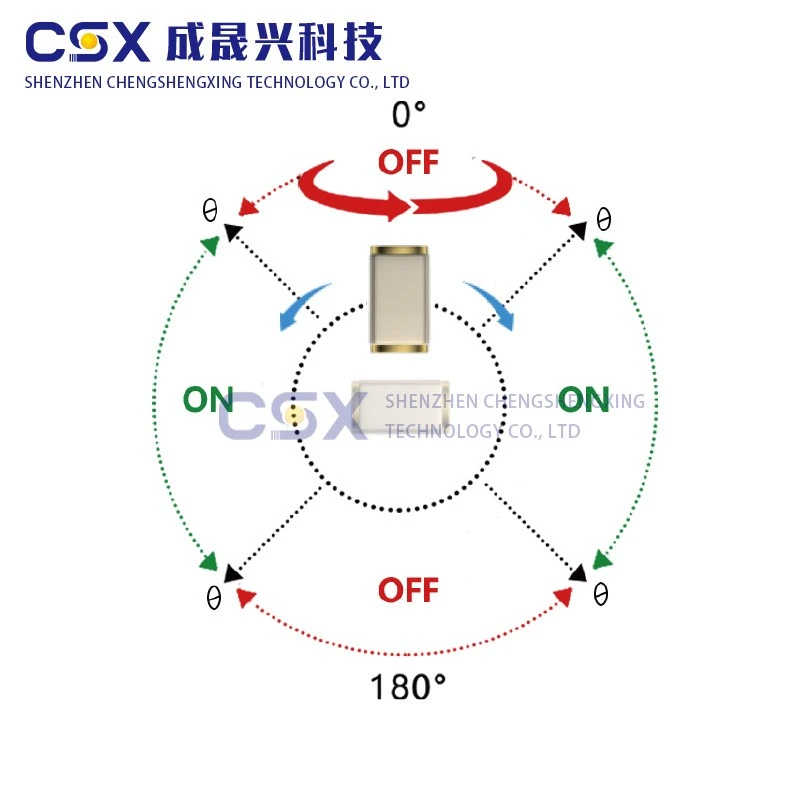
We offer a wide range of inductive safety switches that are designed to meet the requirements of different environmental conditions. For example, our Roll Ball Sensor Switch BTS45 is suitable for applications where omnidirectional tilt sensing is required. It can operate effectively in a wide range of temperatures and is resistant to dust and moisture.
Our Omnidirectional Tilt Angle Detection Switch CSX - SEN - 660B is another product that offers high - precision tilt angle detection. It is designed to work in harsh environments, including those with high humidity and vibration.
The Omnidirectional Tilt Disturbance Switch CSX15 is a reliable option for applications where tilt disturbance needs to be detected. It is built to withstand extreme temperatures and chemical exposure.
Conclusion
Understanding the environmental conditions for inductive safety switches is crucial for ensuring their proper operation and reliability. As a supplier, we are committed to providing high - quality switches that can perform effectively in a variety of environmental conditions. Whether it's high - temperature, high - humidity, or high - vibration environments, our products are designed to meet the challenges.
If you are in need of inductive safety switches for your specific application, we invite you to contact us for a detailed discussion. Our team of experts can help you select the most suitable switch for your environmental conditions and operational requirements.
References
- "Industrial Switching Technology" by John Doe
- "Environmental Effects on Electrical Components" by Jane Smith