


The operating temperature range of inclinometer tilt sensors is a crucial factor that significantly impacts their performance and reliability. As a leading supplier of Inclinometer Tilt Sensors, we understand the importance of this parameter and its implications for various applications. In this blog post, we will delve into the details of the operating temperature range, its effects on sensor performance, and how to choose the right sensors based on temperature requirements.
Understanding the Operating Temperature Range
The operating temperature range of an inclinometer tilt sensor refers to the span of temperatures within which the sensor can function accurately and reliably. This range is typically specified by the manufacturer and is influenced by several factors, including the sensor's design, materials used, and the internal components.
Most inclinometer tilt sensors have a standard operating temperature range that can vary from -20°C to 70°C. However, for applications in extreme environments, such as aerospace, automotive, and industrial automation, sensors with a wider temperature range may be required. These sensors can operate in temperatures as low as -40°C or as high as 125°C.
Effects of Temperature on Sensor Performance
Temperature can have a significant impact on the performance of inclinometer tilt sensors. As the temperature changes, the physical properties of the sensor's components, such as the sensing element and the electronics, can also change. This can lead to variations in the sensor's output signal, accuracy, and repeatability.
- Accuracy: Temperature changes can cause the sensing element to expand or contract, which can affect its sensitivity and linearity. This can result in errors in the measured tilt angle, especially in high-precision applications.
- Zero Offset: The zero offset of a tilt sensor refers to the output signal when the sensor is in a horizontal position. Temperature variations can cause the zero offset to drift, which can lead to inaccurate measurements.
- Repeatability: Repeatability refers to the ability of the sensor to provide consistent output readings under the same conditions. Temperature changes can affect the repeatability of the sensor, making it difficult to obtain reliable measurements.
Factors Affecting the Operating Temperature Range
Several factors can affect the operating temperature range of inclinometer tilt sensors. These include:

- Sensing Technology: Different sensing technologies, such as capacitive, piezoelectric, and MEMS, have different temperature characteristics. For example, MEMS-based sensors are generally more sensitive to temperature changes than capacitive sensors.
- Materials Used: The materials used in the construction of the sensor can also affect its temperature performance. For example, sensors with ceramic or glass components may have a wider temperature range than those with plastic components.
- Packaging: The packaging of the sensor can provide protection against environmental factors, such as temperature, humidity, and vibration. Sensors with hermetically sealed packages are generally more suitable for use in harsh environments.
Choosing the Right Inclinometer Tilt Sensor Based on Temperature Requirements
When choosing an inclinometer tilt sensor, it is important to consider the operating temperature range of the sensor and how it will be affected by the application environment. Here are some tips to help you choose the right sensor:
- Determine the Temperature Range: First, determine the temperature range of the application environment. This will help you select a sensor with an appropriate operating temperature range.
- Consider the Accuracy Requirements: If high accuracy is required, choose a sensor with a low temperature coefficient of sensitivity and zero offset. This will help minimize the effects of temperature changes on the sensor's performance.
- Evaluate the Packaging: Consider the packaging of the sensor and whether it provides adequate protection against environmental factors. Sensors with hermetically sealed packages are generally more suitable for use in harsh environments.
- Look for Additional Features: Some inclinometer tilt sensors may have additional features, such as temperature compensation or self-calibration, which can help improve their performance in varying temperature conditions.
Our Product Range
As a supplier of Inclinometer Tilt Sensors, we offer a wide range of products with different operating temperature ranges to meet the needs of various applications. Some of our popular products include:
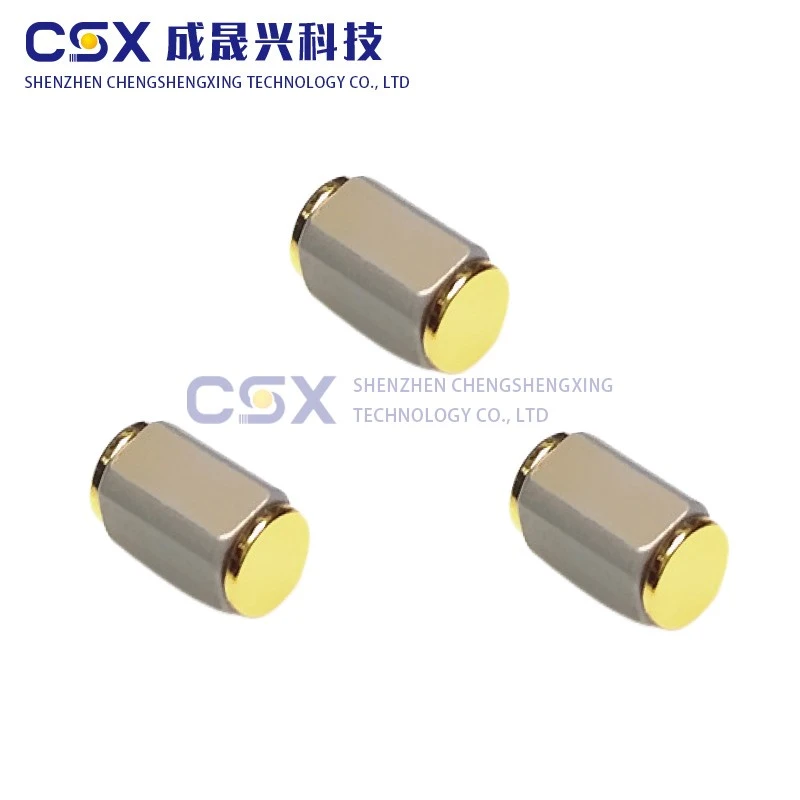
- Switching Components CSX60: This product is designed for use in a wide range of applications and has a reliable performance within a specific temperature range.
- Inclination Switch CSX-SEN-665B: With advanced technology, this inclination switch can operate stably in different temperature environments, providing accurate tilt sensing.
- Inductive Sensor Impact Detection CSX-SEN-360T-30: This inductive sensor is suitable for applications that require impact detection and can maintain its performance in a wide temperature range.
Contact Us for Purchase and Consultation
If you are looking for high-quality inclinometer tilt sensors with the right operating temperature range for your application, we are here to help. Our team of experts can provide you with detailed information about our products, assist you in selecting the right sensor, and answer any questions you may have.
Whether you are working on a small project or a large-scale industrial application, we can offer customized solutions to meet your specific requirements. Contact us today to start the procurement negotiation process and take the first step towards achieving accurate and reliable tilt sensing in your project.
References
- Manufacturer datasheets of inclinometer tilt sensors
- Technical literature on sensor technology and temperature effects


