Can an SMD Vibration Sensor be used in aircraft engine monitoring?
Hey there! I'm a supplier of SMD vibration sensors, and I've been getting a lot of questions lately about whether these little sensors can be used for aircraft engine monitoring. So, I thought I'd take a deep dive into this topic and share my thoughts.
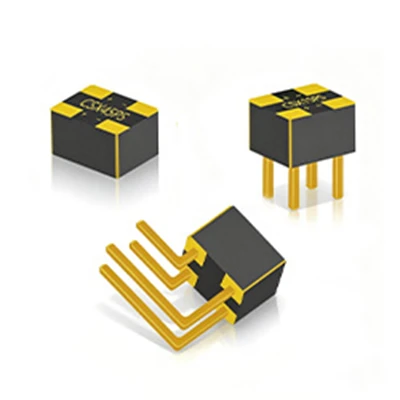
First off, let's talk about what SMD vibration sensors are. SMD stands for Surface Mount Device, which means these sensors are designed to be mounted directly onto a printed circuit board (PCB). They're small, lightweight, and easy to integrate into various electronic systems. SMD vibration sensors work by detecting changes in acceleration or movement, and they can provide valuable data about the vibration patterns of a machine or structure.


Now, let's consider the requirements for aircraft engine monitoring. Aircraft engines are complex and critical components of an aircraft, and monitoring their performance is essential for ensuring safety and reliability. Engine monitoring systems typically measure a variety of parameters, including temperature, pressure, and vibration. Vibration monitoring, in particular, can help detect early signs of engine problems, such as misalignment, imbalance, or bearing wear.
So, can an SMD vibration sensor be used for aircraft engine monitoring? The short answer is yes, but there are a few things to consider.
Advantages of Using SMD Vibration Sensors in Aircraft Engine Monitoring
- Size and Weight: SMD vibration sensors are incredibly small and lightweight, which makes them ideal for use in aircraft applications where space and weight are at a premium. They can be easily integrated into existing engine monitoring systems without adding significant bulk or weight.
- Cost-Effectiveness: SMD sensors are generally more cost-effective than traditional vibration sensors, which can be a significant advantage for aircraft manufacturers and operators. They offer a high level of performance at a lower cost, making them a more accessible option for engine monitoring.
- High Sensitivity: SMD vibration sensors are highly sensitive and can detect even the slightest vibrations. This makes them well-suited for detecting early signs of engine problems, which can help prevent more serious issues down the line.
- Easy Integration: SMD sensors are designed to be easily integrated into electronic systems, which means they can be quickly and easily incorporated into existing engine monitoring systems. This can save time and money during the installation process.
Challenges of Using SMD Vibration Sensors in Aircraft Engine Monitoring
- Harsh Environment: Aircraft engines operate in a harsh environment, with high temperatures, high pressures, and high levels of vibration. SMD sensors need to be able to withstand these conditions without losing their accuracy or reliability.
- EMI/RFI Interference: Aircraft engines generate a lot of electromagnetic interference (EMI) and radio frequency interference (RFI), which can affect the performance of SMD sensors. Special shielding and filtering techniques may be required to ensure accurate and reliable operation.
- Calibration and Maintenance: SMD sensors need to be calibrated regularly to ensure accurate and reliable performance. They also require regular maintenance to ensure that they continue to function properly over time.
- Certification Requirements: Aircraft components are subject to strict certification requirements, and SMD sensors used in engine monitoring systems need to meet these requirements. This can add additional time and cost to the development and testing process.
Examples of SMD Vibration Sensors for Aircraft Engine Monitoring
At our company, we offer a range of SMD vibration sensors that are suitable for aircraft engine monitoring. Here are a few examples:
- Vibration Switch Industrial CSX - SEN - S06: This sensor is designed to detect vibrations and trigger an alarm when the vibration level exceeds a certain threshold. It's a simple and reliable solution for basic vibration monitoring.
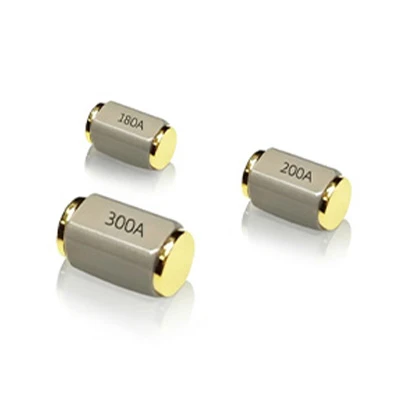
- Vibration Transmitter Strike Detection CSX - SEN - 300A: This sensor is capable of detecting both low - frequency and high - frequency vibrations, making it suitable for a wide range of engine monitoring applications. It can transmit vibration data to a monitoring system for further analysis.
- Car Alarm Shock Sensor CSX - SEN - 180A: While originally designed for car alarm systems, this sensor can also be used in aircraft engine monitoring applications. It's highly sensitive and can detect even small vibrations.
Conclusion
In conclusion, SMD vibration sensors have the potential to be used in aircraft engine monitoring. They offer several advantages, such as small size, low weight, cost - effectiveness, and high sensitivity. However, they also face some challenges, such as the harsh operating environment, EMI/RFI interference, calibration, and certification requirements.
If you're interested in using SMD vibration sensors for aircraft engine monitoring, I'd be happy to discuss your specific needs and requirements. We can provide you with more information about our products and help you determine the best solution for your application. Whether you're an aircraft manufacturer, an engine maintenance provider, or an operator, we're here to support you. So, don't hesitate to reach out and start a conversation about how our SMD vibration sensors can benefit your aircraft engine monitoring system.
References
- Aircraft Engine Monitoring Handbook
- Vibration Sensor Technology: Principles and Applications